
7 Steps for a Complete Legal Process Serving Checklist

Every year, thousands of American legal proceedings are disrupted by incorrect or incomplete paperwork. Accuracy and transparency in the process serving workflow are not just formalities—they are legal necessities that protect both rights and outcomes. By mastering key steps in document verification, recipient identification, compliance with varying state laws, and professional conduct, you can minimize costly mistakes and ensure every American legal action moves forward efficiently and with full integrity.

Table of Contents

Quick Summary

Takeaway Explanation
1. Verify Legal Document Accuracy Ensure names, addresses, and dates are correct to maintain legal validity.
2. Confirm Recipient Details Thoroughly Validate recipient’s information through multiple sources to guarantee successful document delivery.
3. Understand Jurisdictional Rules Each jurisdiction has unique service requirements that must be meticulously followed.
4. Choose Appropriate Service Methods Select suitable methods based on the legal context and recipient accessibility to ensure valid service.
5. Document Proof of Service Carefully Prepare comprehensive proof of service to provide verifiable evidence of compliance with legal standards.

Ensuring the absolute precision of legal documents is your first critical step in the process serving workflow. Document verification forms the foundation of reliable legal communication, preventing potential errors that could derail entire legal proceedings.

When serving legal documents, accuracy is not just important—it is mandatory. One misplaced word or incorrect detail can invalidate service attempts and potentially cause significant legal complications. Professional process servers understand that verifying legal documents requires meticulous attention to multiple critical elements.

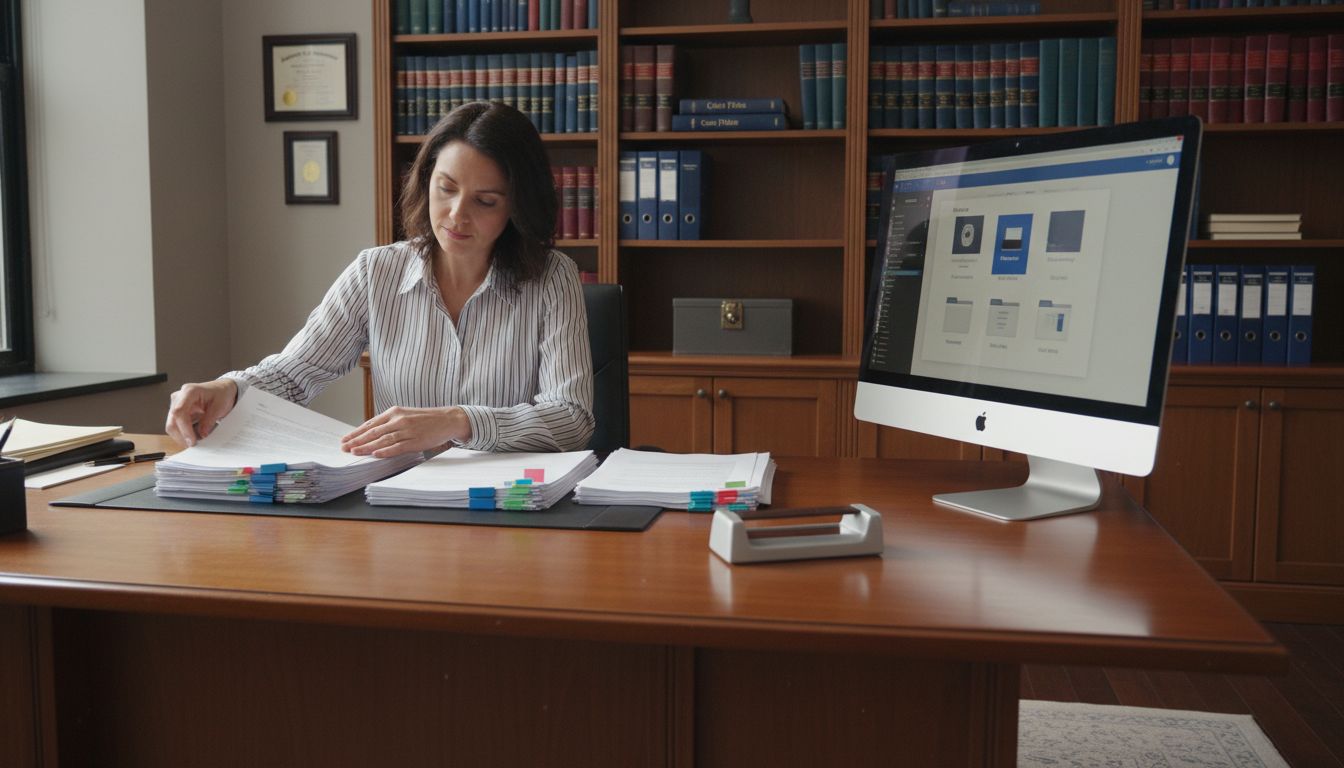
Start by conducting a comprehensive document review. Check every detail systematically: names must be spelled correctly, addresses must be current and precise, and all parties involved must be accurately identified. Verify that the documents match the specific court requirements and jurisdiction standards. This means cross referencing case numbers, checking document dates, and confirming that all required signatures and notary marks are present.

Key verification checkpoints include:

  • Matching full legal names exactly as they appear on official records
  • Confirming current mailing and physical addresses
  • Validating document timestamps and filing dates
  • Ensuring all required signatures are authentic
  • Cross checking case numbers with court records

Remember, a Notice of Correction and Proof of Service becomes crucial if any discrepancies are discovered during your initial review. This document allows legal teams to rectify errors and maintain the integrity of court records, preventing potential service rejections or legal challenges.

Professional tip: Create a standardized verification checklist unique to your specific legal jurisdiction. This systematic approach reduces human error and ensures consistent, reliable document processing every single time.

2. Confirm Recipient’s Details and Service Address

Verifying the precise location and personal details of the recipient is a critical component in successful legal document service. Accurate recipient identification ensures that legal notifications reach the intended party and meet all jurisdictional requirements for proper service.

The foundation of effective process serving lies in meticulously confirming every detail about the recipient. This means gathering comprehensive information that goes beyond a simple mailing address. You need to validate multiple contact points and potential service locations to guarantee successful document delivery.

Key verification steps include:

  • Obtaining the recipient’s full legal name
  • Confirming current residential address
  • Verifying employment address
  • Checking alternative contact locations
  • Cross referencing multiple information sources

When standard address verification becomes challenging, alternative service methods become crucial. Legal professionals understand that when a primary address is unavailable, jurisdictions allow serving documents at workplaces, alternative residences, or other known locations.

Professional process servers recommend creating a comprehensive research strategy. This might involve utilizing public records, online databases, utility billing information, vehicle registration data, and professional licensing records. Each source provides additional layers of verification that increase the likelihood of successful document service.

Practical approach: Always maintain a systematic documentation trail. Record every attempt and verification method used in your service process. This documentation becomes critical if legal challenges emerge regarding the validity of your service attempt.

Remember that precision matters. One incorrect digit in an address or a misspelled name can invalidate an entire service attempt. Thorough research and multiple verification points are not just recommended they are essential for maintaining the legal integrity of the document serving process.

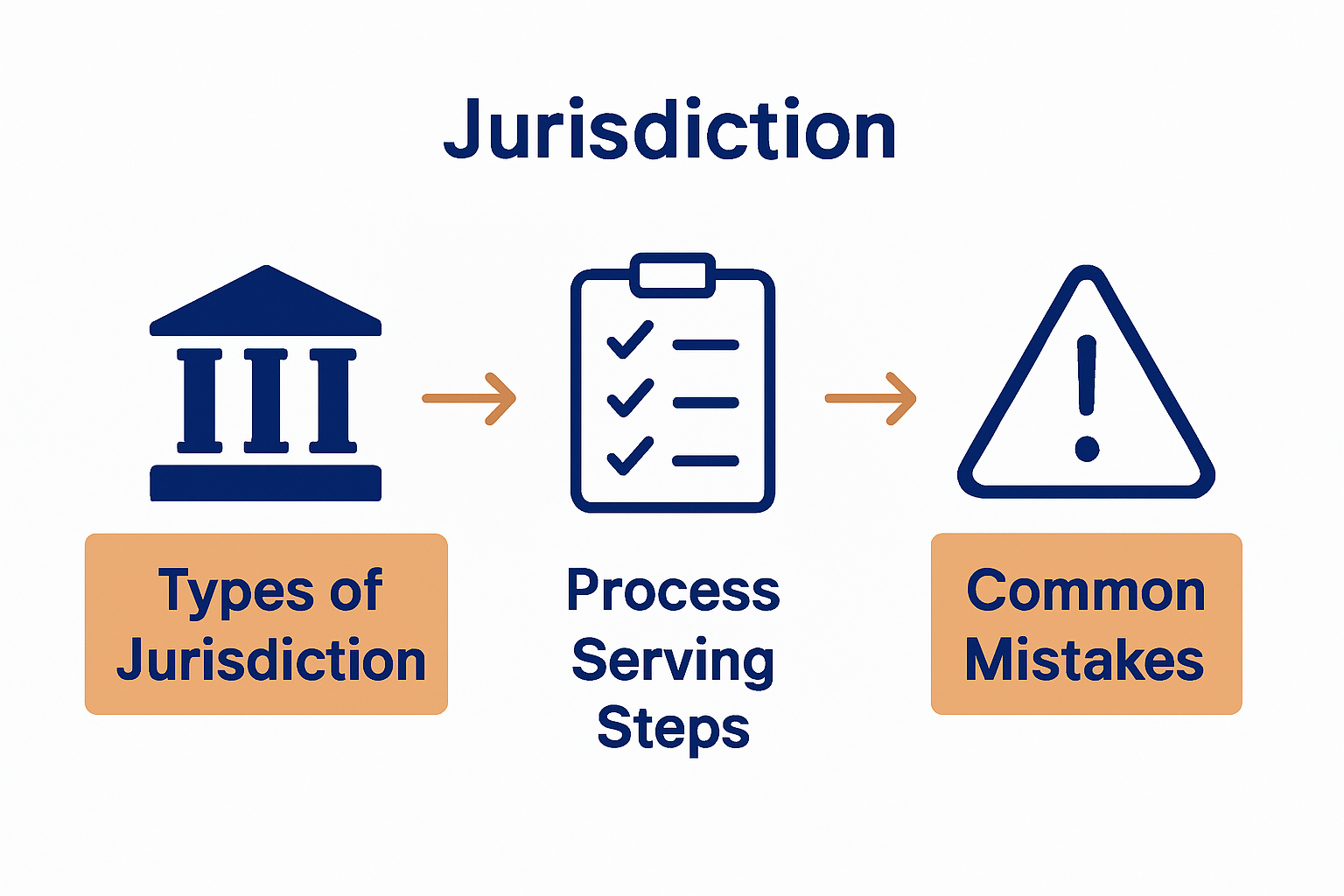
3. Understand Jurisdictional Service Rules and Laws

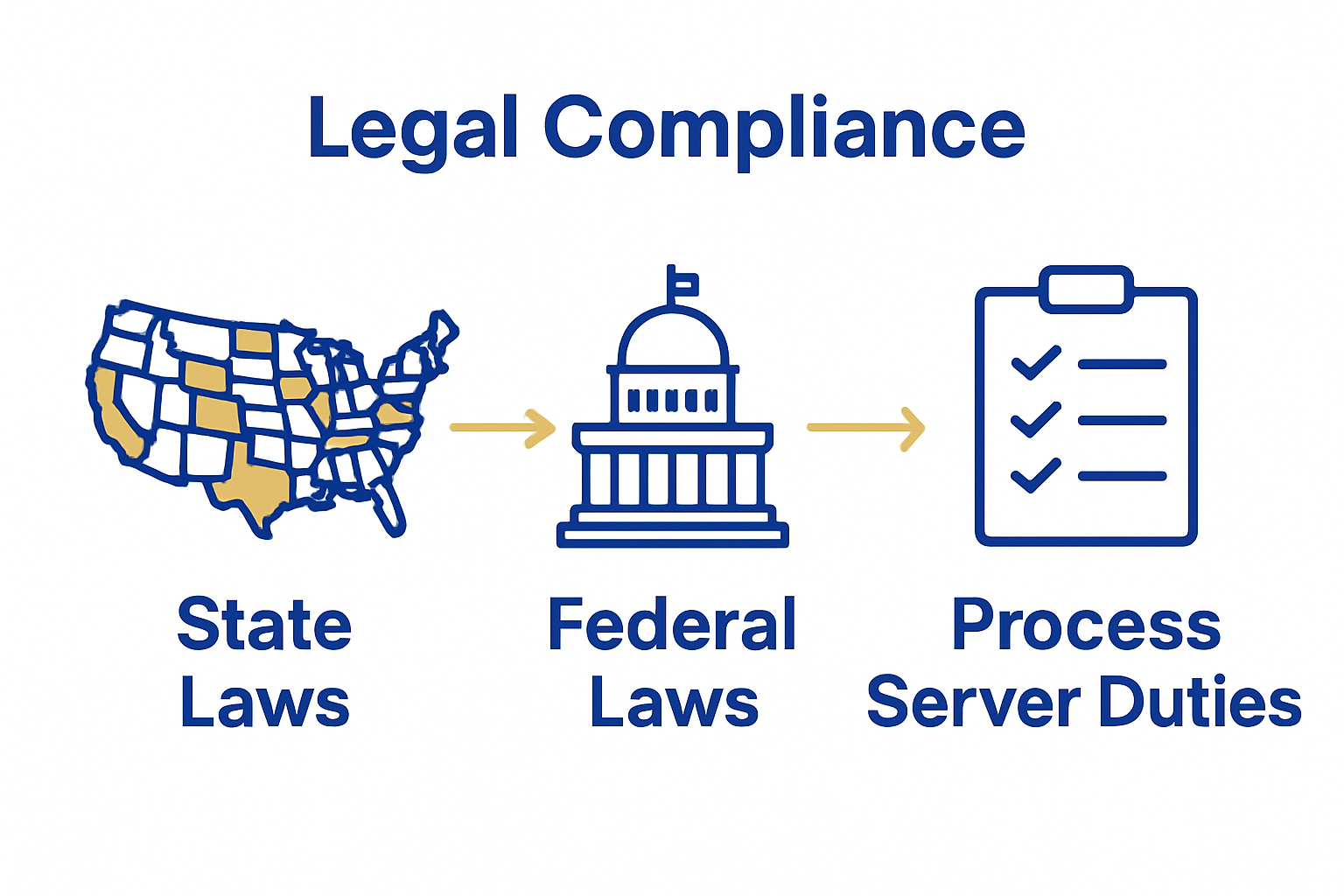
Navigating the complex landscape of legal service requirements demands precision and deep understanding of jurisdiction specific regulations. Jurisdictional service rules are not universal they vary dramatically across different states and local legal systems.

Each jurisdiction maintains unique protocols for legal document service. What works in one state might completely invalidate your service attempt in another. Professional process servers recognize that legal compliance in process serving requires comprehensive knowledge of local statutes and procedural nuances.

Critical considerations for jurisdictional compliance include:

  • Identifying specific state service requirements
  • Understanding acceptable delivery methods
  • Recognizing authorized process serving personnel
  • Determining appropriate documentation standards
  • Tracking legal notification timelines

For example, state specific guidelines provide intricate details about personal delivery standards. The New York Department of State outlines precise documentation requirements that must be followed meticulously to ensure valid legal service.

Professional process servers recommend creating a comprehensive jurisdiction reference guide. This living document should catalog specific rules for each geographic area where you might conduct service. Regular updates become critical as legal regulations can change rapidly.

Understanding jurisdictional rules goes beyond mere compliance. It protects the legal integrity of the entire service process. One overlooked detail can render months of preparation invalid. Successful service requires a proactive approach that anticipates potential procedural challenges before they emerge.

Pro tip: Always consult local court resources and potentially engage legal counsel to confirm the most current service requirements for your specific jurisdiction. Regulations evolve constantly and staying informed prevents costly mistakes.

4. Choose the Appropriate Method of Service

Selecting the correct service method is a critical decision that can make or break your legal document delivery. Process serving methods are not one size fits all they require strategic selection based on specific circumstances and legal requirements.

Legal professionals must understand the nuanced landscape of service options. Types of process serving range from personal delivery to more complex alternative methods, each with unique legal implications and requirements.

Primary service method categories include:

  • Personal service
  • Substitute service
  • Service by mail
  • Electronic service
  • Service by publication
  • Certified mail with return receipt
  • Posting at residence or workplace

In challenging scenarios where the recipient cannot be directly located, courts may permit alternative service methods such as service by publication. This approach requires demonstrating diligent efforts to locate the individual through standard channels.

The selection process demands careful consideration of multiple factors. You must evaluate the recipients location, accessibility, legal jurisdiction requirements, and the specific type of legal document being served. Some methods work better for certain document types or defendant situations.

Pro tip: Always document your service attempts meticulously. Even if initial methods fail, a comprehensive record of your efforts can support alternative service requests in court. Each unsuccessful attempt provides valuable information for refining your service strategy.

Remember that inappropriate service methods can invalidate legal proceedings. Consulting with a legal professional who understands local jurisdictional nuances can help you navigate complex service scenarios and ensure your documents are delivered effectively and legally.

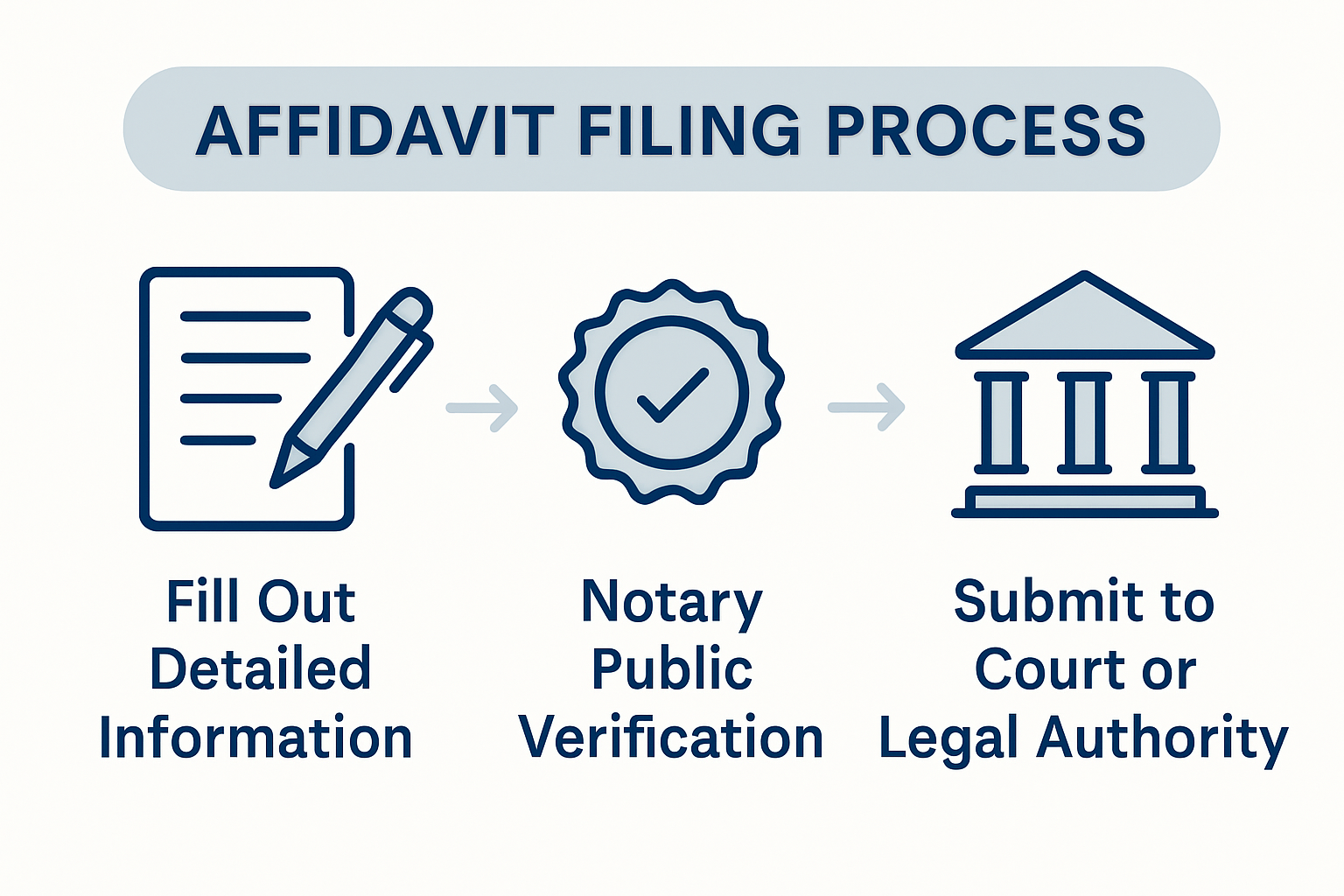
5. Complete Proper Proof of Service Documentation

The cornerstone of any successful legal document service is a meticulously prepared proof of service. Documentation integrity serves as your legal shield, providing verifiable evidence that all required notifications have been executed precisely and professionally.

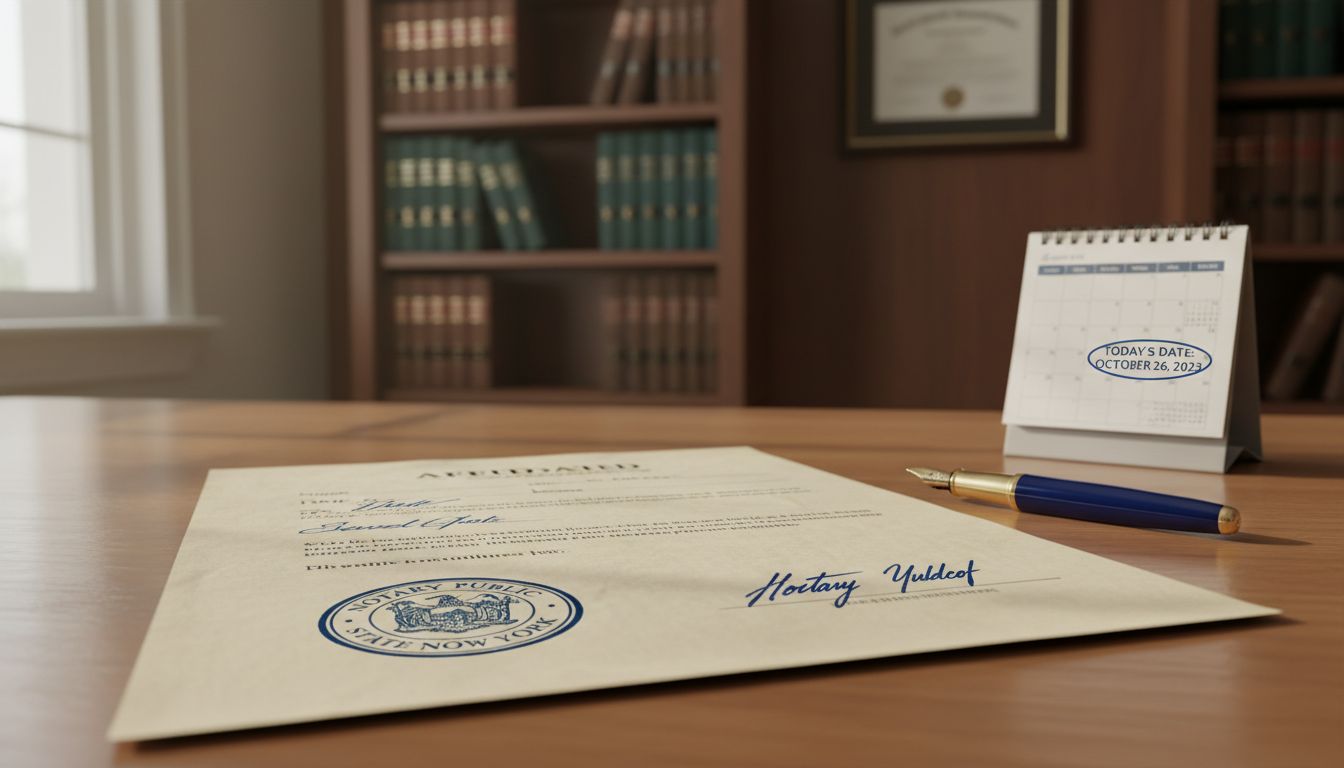
A comprehensive process server’s affidavit represents more than paperwork it is a critical legal record that validates the entire service process. Proper proof of service documentation ensures transparency and demonstrates strict adherence to legal standards.

Critical documentation elements include:

  • Complete server identification details
  • Exact date and time of service
  • Precise location of document delivery
  • Method of service used
  • Physical description of recipient
  • Witnessed signature confirmation
  • Sworn statement of service accuracy

Professional process servers understand that each detail matters. A single omission can potentially invalidate an entire service attempt. Your documentation must tell a clear, comprehensive story that leaves no room for legal challenges or procedural doubts.

Your proof of service should answer every potential question a court might ask. Who served the documents? When? Where? How? Each answer must be documented with precision and clarity. Think of it as creating a legal narrative that stands up to the most rigorous scrutiny.

Pro tip: Create a standardized documentation template that ensures you capture every required detail systematically. Consistency is key in building a reputation for reliable and thorough legal document service. Regular training and documentation reviews can help prevent potential errors that might compromise your service attempts.

6. Track Deadlines and Service Timelines Effectively

In the intricate world of legal document service, time is not just money it is a critical legal requirement. Deadline tracking represents the backbone of successful process serving, where a single missed timeline can unravel entire legal proceedings.

Legal document workflow management demands precision and systematic approach. Effective tracking of service timelines ensures compliance with legal requirements and prevents potentially costly delays.

Critical timeline tracking strategies include:

  • Implement digital tracking systems
  • Create automated deadline reminders
  • Establish multiple backup notification methods
  • Maintain detailed service logs
  • Set internal deadlines ahead of official cutoffs
  • Regularly audit and update tracking processes
  • Use cloud based management tools

Professional process servers recognize that timeline management goes beyond simple calendar marking. It requires a proactive methodology that anticipates potential delays, builds in buffer periods, and creates multiple fail safes to ensure absolute compliance.

Your tracking system should function like a comprehensive early warning network. Each document service attempt needs multiple checkpoint mechanisms that alert you well in advance of approaching deadlines. This means creating redundant notification systems electronic alerts, physical calendars, team communication protocols that ensure no critical date slips through unnoticed.

Pro tip: Develop a color coded tracking system that provides instant visual understanding of your service timeline status. Green for on track, yellow for approaching deadline, red for urgent action required. This intuitive approach allows quick decision making and prevents last minute scrambles.

7. Maintain Confidentiality and Professional Conduct

The final cornerstone of exceptional process serving is maintaining unwavering professional integrity through strict confidentiality and ethical conduct. Professional process servers are entrusted with sensitive legal communications that demand the highest standards of discretion and respect.

Legitimate process servers understand that their role extends far beyond simple document delivery. They are guardians of legal communication, responsible for executing service with precision, sensitivity, and absolute professionalism.

Critical confidentiality and conduct principles include:

  • Protect all personal information
  • Maintain strict professional boundaries
  • Avoid unnecessary communication about cases
  • Follow ethical guidelines consistently
  • Document all interactions professionally
  • Respect recipient privacy
  • Never disclose case details to unauthorized parties

Confidentiality in process serving is not just a recommendation it is a fundamental professional requirement. Your conduct reflects directly on the legal system and the integrity of the judicial process. This means maintaining a neutral demeanor, avoiding personal interactions, and focusing solely on the professional task of document service.

Ethical process servers understand the delicate nature of legal notifications. You are often delivering potentially life changing information. Your approach must balance legal precision with human dignity. This means being direct yet respectful, firm yet compassionate.

Pro tip: Develop a standardized professional protocol that guides every interaction. Create scripts that are clear, concise, and legally compliant. Practice maintaining emotional neutrality while ensuring the recipient understands the significance of the documents being served.

Below is a comprehensive table summarizing the key processes and strategies discussed in the article related to legal document serving.

Main Step Key Points & Actions Benefits/Outcomes
Verify Legal Documents Conduct comprehensive reviews; ensure names, addresses, and details are accurate; match court requirements. Prevents legal errors; ensures document validity.
Confirm Recipient’s Details Verify full legal name, residential and employment address; use multiple verification sources. Ensures correct and legal document delivery.
Understand Jurisdictional Rules Identify state-specific requirements; understand legal delivery methods. Protects legal integrity; prevents invalid service attempts.
Choose Service Method Select method based on context; consider personal, mail, electronic, or publication service. Ensures effective and compliant delivery.
Complete Proof of Service Document server details; log service time and method; use sworn statements. Provides legal evidence and transparency.
Track Deadlines Use digital systems; set automated reminders and backup notifications. Ensures timely compliance and prevents legal delays.
Maintain Confidentiality Protect personal data; follow ethical guidelines; respect privacy. Upholds professional integrity and legal standards.

The article “7 Steps for a Complete Legal Process Serving Checklist” highlights the critical challenges of ensuring accuracy, jurisdictional compliance, and timely documentation when serving legal documents. You need to verify every detail meticulously, choose the right service methods, and maintain detailed proof of service to protect your case from costly delays or invalidation. Failing to meet these complex requirements can cause frustration and jeopardize legal outcomes.

YM Doc Services understands these pain points and offers a streamlined solution designed to reduce your stress and guarantee professional reliability. With our expertise in process serving, court filings, and document retrieval, you gain a trusted partner committed to precision, confidentiality, and adherence to every legal detail outlined in the checklist. We help you stay ahead of deadlines and ensure your legal documents reach the right recipients with complete proof of service.
https://ymdocservices.com

Take control of your legal document delivery today and avoid common service pitfalls. Visit YM Doc Services to access our comprehensive legal document services. Learn how to safeguard your cases with our process server affidavit guide and ensure full legal compliance in process serving. Act now to experience dependable service that keeps your legal processes moving forward smoothly.

Frequently Asked Questions

To ensure a complete legal process serving checklist, follow these seven steps: verify legal documents, confirm recipient details and service address, understand jurisdictional service rules, choose the appropriate method of service, complete proper proof of service documentation, track deadlines and service timelines, and maintain confidentiality and professional conduct. Start by creating a checklist that outlines each step to streamline your process.

To verify legal documents accurately, conduct a comprehensive document review, checking names, addresses, case numbers, and signatures. Use a standardized verification checklist tailored to your legal jurisdiction to minimize errors and ensure consistency.

What should I do if I can’t locate the recipient at their primary address?

If you cannot locate the recipient at their primary address, consider alternative service methods, such as service at their workplace or another known location. Document every attempted service to support your case if further actions are needed.

How do I ensure compliance with local service rules?

Ensure compliance by researching and understanding the specific service rules for your jurisdiction, including acceptable delivery methods and documentation standards. Create a jurisdiction reference guide and update it regularly to stay informed of any changes.

What elements are essential for proof of service documentation?

Essential elements for proof of service documentation include server identification details, date and time of service, location of delivery, method of service, and a sworn statement. Make sure to document each aspect accurately to provide a clear record of the service process.

What strategies can help me track deadlines effectively in the service process?

Implement digital tracking systems and create automated deadline reminders to manage your service timelines. Set internal deadlines that precede official cutoffs to build in buffer periods and avoid missing essential legal deadlines.

Posted in Uncategorized

State Versus Federal Process Serving – Key Differences for Legal Success

Over 90 percent of American legal actions depend on proper process serving for fair judicial outcomes. For anyone involved in the legal system, understanding both state and federal process serving rules is crucial to avoid costly mistakes. With requirements varying widely across the United States, this guide helps American professionals and individuals confidently navigate the detailed procedures and legal standards that protect everyone’s rights during legal disputes.

Table of Contents

Key Takeaways

Point Details
Federal Process Serving Governed by the Federal Rules of Civil Procedure, ensuring uniformity and strict timelines for serving documents.
State Process Serving Each state has unique and varied regulations, necessitating knowledge of specific local protocols.
Service Methods Personal delivery is preferred, but alternatives like certified mail and electronic service are also accepted based on jurisdiction.
Legal Risks Errors in serving can lead to case dismissals and increased costs, highlighting the need for meticulous record-keeping and compliance with procedural requirements.

Defining State and Federal Process Serving

Process serving is a critical legal procedure that ensures defendants receive official notification about legal proceedings against them. At its core, the process involves formally delivering court documents to individuals or entities involved in a lawsuit. However, the mechanisms for serving these documents differ significantly between state and federal jurisdictions.

In federal cases, service of process is governed by specific rules outlined in the Federal Rules of Civil Procedure. These rules provide a standardized framework for how legal documents must be delivered, ensuring uniformity across different federal court systems. Key requirements include precise documentation, verification of receipt, and adherence to strict timelines that protect defendants’ rights to be informed about legal actions.

State level process serving, by contrast, involves more varied approaches. Each state maintains its own set of regulations and protocols for serving legal documents, which can range from personal delivery to alternative methods like posting notices or using certified mail. Professional process servers play a crucial role in navigating these complex state-specific requirements, ensuring that legal notifications are completed accurately and in compliance with local jurisdictional standards.

The fundamental purpose remains consistent across both state and federal levels: providing legal notice. Whether through federal or state mechanisms, process serving guarantees that all parties have a fair opportunity to respond to legal proceedings. This systematic approach protects due process and maintains the integrity of the judicial system by ensuring transparent, verifiable communication of legal actions.

The complexity of legal proceedings becomes particularly pronounced when navigating the intricate landscape of jurisdictional conflicts in the United States legal system. These differences fundamentally impact how legal actions are processed, served, and ultimately resolved across different court systems.

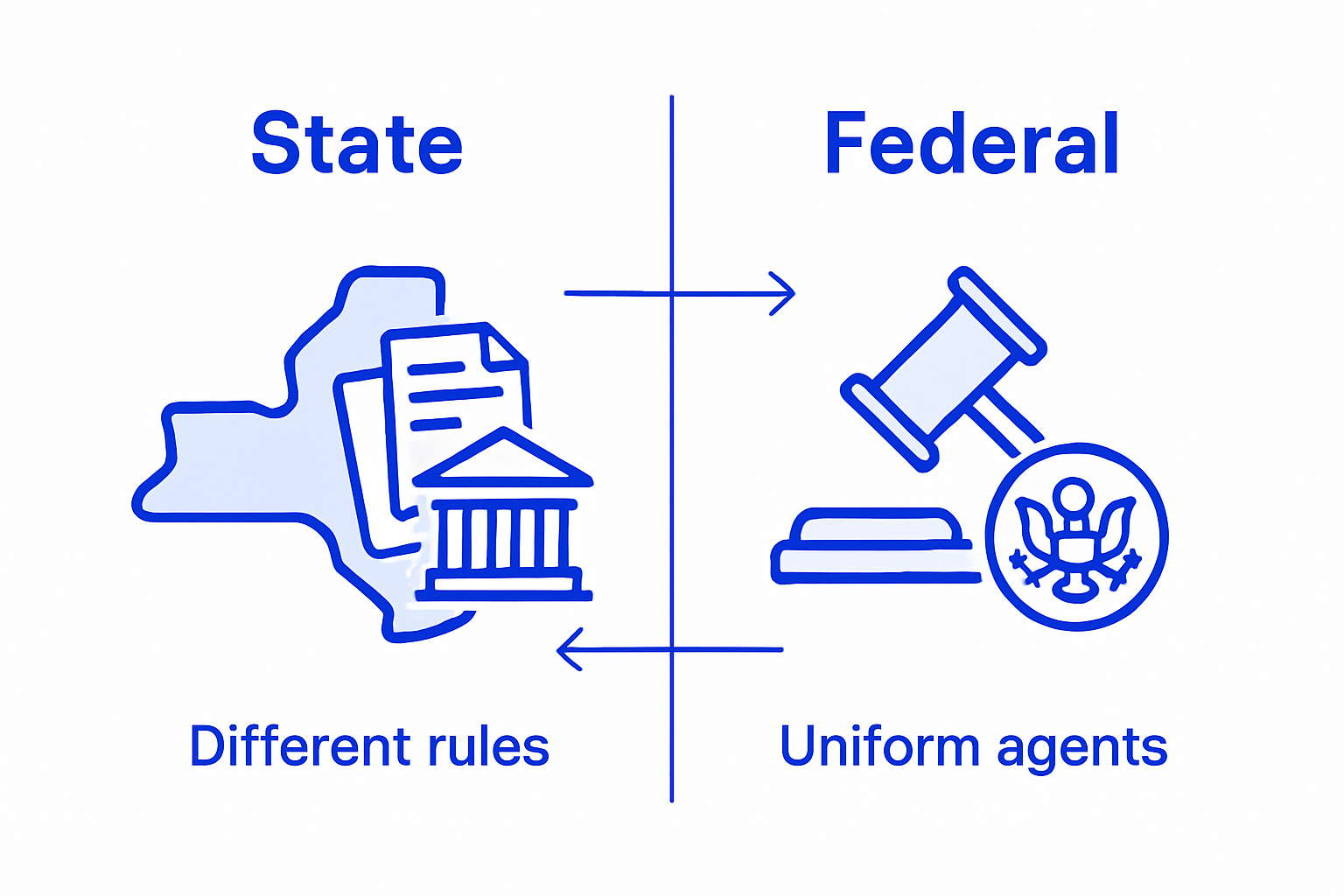
Jurisdictional variations create significant challenges for legal professionals. Federal courts operate under a uniform set of procedural rules that apply nationwide, while state courts maintain unique protocols that can vary dramatically from one jurisdiction to another. This means that the same legal document might require entirely different service methods depending on whether the case is being heard in a federal or state court.

Infographic comparing state and federal process serving

The legal impacts of these jurisdictional differences extend far beyond mere procedural technicalities. Each jurisdiction may interpret laws differently, apply distinct standards of evidence, and have unique requirements for document service. Professional legal teams must carefully navigate these nuanced differences to ensure that service of process meets all legal standards, preventing potential case dismissals or procedural challenges.

Ultimately, understanding these jurisdictional complexities is not just a technical requirement but a critical strategic consideration. The wrong approach to serving legal documents can compromise an entire legal action, making precise knowledge of federal and state-specific requirements an essential skill for attorneys, process servers, and legal professionals seeking successful litigation outcomes.

Procedural Requirements and Compliance Rules

Navigating the complex landscape of process serving requires a deep understanding of legal compliance standards that govern document delivery. The procedural requirements for serving legal documents vary significantly between federal and state jurisdictions, creating a challenging environment for legal professionals and process servers.

Federal procedural rules are meticulously defined by the U.S. Department of Justice, with specific guidelines that must be followed precisely. These regulations outline exact methods for serving legal documents, including personal delivery, certified mail, and electronic service options. Professional process servers must understand these nuanced requirements to ensure that legal notifications are executed correctly and legally admissible in court.

Legal assistant sorting federal compliance papers

State level compliance introduces additional layers of complexity. Each state maintains its own set of procedural rules, which can differ dramatically from federal standards and from other state jurisdictions. These variations might include specific time frames for service, acceptable delivery methods, and documentation requirements. Professional process servers must be adaptable and knowledgeable about the specific compliance rules in each jurisdiction they operate within.

Ultimately, successful process serving hinges on meticulous attention to procedural details. A single misstep in following compliance rules can invalidate an entire legal action, potentially causing case dismissals or significant legal complications. This underscores the critical importance of working with experienced process servers who understand the intricate landscape of jurisdictional requirements and can navigate these complex legal requirements with precision and expertise.

Service Methods and Allowed Agents

Process serving encompasses a complex array of service methods that vary across different legal jurisdictions. The fundamental goal remains consistent: ensuring legal documents are delivered effectively and in compliance with established legal standards.

Federal and state courts recognize multiple service methods, each with specific requirements and legal implications. Personal delivery remains the gold standard, where documents are directly handed to the intended recipient. However, alternative methods exist for situations where direct personal service proves challenging. These alternatives include certified mail, electronic service, substituted service (delivering documents to a resident at the recipient’s address), and sometimes public notice through newspaper publications.

The selection of allowed agents is equally nuanced. Professional process servers, law enforcement officers, and sometimes licensed private investigators can serve legal documents, depending on jurisdictional rules. Each jurisdiction maintains strict criteria about who can legally deliver court documents, with qualifications ranging from professional certifications to background checks and specific training requirements. Some jurisdictions even permit special circumstances where family members or neutral third parties can serve documents under specific conditions.

Critical to understanding service methods is recognizing that improper document delivery can completely invalidate legal proceedings. This means that process servers must possess intricate knowledge of local and federal regulations, demonstrating precision and expertise in navigating the complex landscape of legal document delivery. The stakes are high – a single procedural misstep can potentially derail an entire legal action, making professional competence paramount in this critical legal function.

Navigating the complex terrain of process serving requires an understanding of critical legal risks that can emerge during document delivery. The landscape of legal document service is fraught with potential pitfalls that can compromise entire legal proceedings.

Jurisdictional complexity represents a significant challenge for process servers. Different federal and state regulations create a minefield of potential errors, where a seemingly minor procedural mistake can invalidate months of legal preparation. Common risks include improper document delivery, failure to follow specific jurisdictional requirements, incorrect timing of service, and inadequate documentation of service attempts.

The financial and legal consequences of process serving errors can be devastating. Incorrect service can result in case dismissals, extended legal timelines, additional court costs, and potential professional liability for the process server or the law firm. Professional process servers must maintain meticulous records, understand nuanced jurisdictional requirements, and demonstrate extraordinary attention to detail to mitigate these substantial risks.

Ultimately, successful process serving demands more than technical skill – it requires a comprehensive understanding of legal protocols, precise documentation, and the ability to adapt to rapidly changing jurisdictional requirements. The margin for error is razor-thin, making professional expertise not just valuable, but absolutely essential in navigating the complex legal landscape of document service.

Master the Complexities of State and Federal Process Serving with Expert Support

The differences between state and federal process serving can create major challenges that risk delaying or jeopardizing your case. Whether you face intricate jurisdictional rules, strict compliance demands, or varied service methods, navigating these complexities requires precision and expertise. When proper procedural requirements are overlooked, it can lead to case dismissals and costly setbacks. At YM Doc Services, we understand these critical legal pain points and specialize in delivering reliable, timely, and fully compliant process serving that helps you maintain control and confidence throughout your legal proceedings.

https://ymdocservices.com

Take the uncertainty out of legal document handling by partnering with a trusted provider who knows the nuances of both state and federal regulations. Visit YM Doc Services today to order your service or learn how our comprehensive solutions can support your needs. Get started now and protect your case with professionals who put your legal success first. For more details on legal compliance and process serving procedures, explore our resources on Service of Process Laws Guide and Legal Compliance Process Serving.

Frequently Asked Questions

What is the main difference between state and federal process serving?

The primary difference lies in the regulations governing service of process. Federal cases follow strict guidelines outlined in the Federal Rules of Civil Procedure, while each state has its own set of rules and methods for serving legal documents.

What are the common methods used for process serving?

Common methods include personal delivery, certified mail, electronic service, substituted service (delivering documents to a resident at the intended recipient’s address), and public notice through newspaper publications.

Improper process serving can lead to case dismissals, extended legal timelines, additional court costs, and potential liability for the process server or the law firm. Documentation and adherence to local regulations are crucial to mitigate these risks.

Why is it important to hire a professional process server?

Hiring a professional is essential as they have the expertise required to navigate complex jurisdictional requirements, ensuring that documents are served accurately and legally admissible in court. This helps prevent costly errors and legal complications.

Posted in Uncategorized

Why Use Legal Document Assistants for Legal Tasks

Over half of American adults admit confusion about who can legally prepare court documents. The truth is that legal document assistants play a vital role behind the scenes, supporting attorneys, businesses, and individuals without crossing the line into legal advice. Clearing up these common misunderstandings can save time, money, and frustration for anyone navigating the paperwork maze. Understanding what legal document assistants actually do will help you make smart, confident choices for your legal needs.

Table of Contents

Key Takeaways

Point Details
Role of Legal Document Assistants They provide administrative support for legal tasks without practicing law, focusing on document preparation and compliance.
Regulatory Standards Legal document assistants must adhere to strict regulations, including certification and ongoing compliance, to ensure professionalism.
Cost-Effectiveness Utilizing legal document assistants can save clients 50-80% compared to hiring attorneys for straightforward legal matters.
Risks and Limitations Clients should understand that legal document assistants cannot provide legal advice or representation, focusing only on document preparation.

Legal document assistants are skilled professionals who provide administrative and technical support for legal tasks without practicing law directly. These professionals help attorneys, businesses, and individuals navigate complex document preparation, filing, and management processes by offering specialized administrative services. Legal document assistants operate within strict legal boundaries, focusing on document preparation, organization, and procedural support.

Contrary to common misconceptions, legal document assistants are not lawyers and cannot provide legal advice or represent clients in court. Their primary role involves preparing standardized legal forms, managing paperwork, and ensuring documents comply with procedural requirements. Legal paperwork fundamentals typically involve complex administrative tasks that require precision and attention to detail.

The responsibilities of legal document assistants encompass several critical functions:

  • Drafting and formatting legal documents
  • Conducting legal research and document retrieval
  • Organizing case files and maintaining comprehensive records
  • Assisting with court filing procedures
  • Supporting attorneys with administrative workflow management

Professional legal document assistants bring significant value by reducing administrative burdens, minimizing errors, and streamlining legal processes. By understanding the specific limitations and capabilities of these professionals, clients can effectively leverage their expertise while maintaining appropriate professional boundaries. Legal documentation tips can help individuals and businesses maximize the benefits of working with legal document assistants.

Legal document services encompass a wide range of specialized administrative support designed to assist attorneys, businesses, and individuals with complex legal documentation needs. Legal process preparation involves intricate document management that requires precision and expertise across multiple practice areas. Legal document assistants provide critical support by preparing and managing documents for various legal scenarios.

According to research, legal document assistants offer comprehensive services across several key domains. Comprehensive legal document assistance typically includes preparing documents for critical legal matters such as:

  • Family Law Documents

    • Divorce petitions
    • Child custody agreements
    • Child support documentation
    • Prenuptial agreements
  • Estate Planning Services

    • Wills and living trusts
    • Estate administration documents
    • Probate paperwork
    • Trust certifications
  • Business and Commercial Documents

    • Business formation paperwork
    • Real estate transaction documents
    • Contract drafting and review
    • Incorporation documents
  • Civil Litigation Support

    • Case filing documents
    • Legal research compilation
    • Court document preparation
    • Case management paperwork

Legal document assistants also specialize in additional complex documentation areas, including bankruptcy filings, adoption paperwork, real estate transactions, and personal property assignments. Their expertise ensures that documents are accurately prepared, formatted correctly, and filed with appropriate legal authorities. Legal document template preparation represents a critical service that helps clients navigate complicated legal documentation requirements with professional support and precision.

Man reviews legal documents at table

How the Process Works for Clients

Working with a legal document assistant involves a structured, client-centered approach designed to simplify complex legal documentation processes. Service of process workflow typically begins with an initial consultation where clients share their specific legal documentation needs and objectives. The legal document assistant carefully listens and gathers all necessary information to ensure accurate document preparation.

Clients provide critical details and documentation during the initial stages, and the legal document assistant then transforms this information into professionally formatted legal documents. Process serving for businesses highlights the importance of precise information gathering. The comprehensive process includes several key steps:

  1. Initial Consultation

    • Discuss client’s specific legal requirements
    • Review existing documentation
    • Identify necessary document types
  2. Information Collection

    • Gather comprehensive client details
    • Verify accuracy of provided information
    • Request supporting documentation
  3. Document Preparation

    • Draft legal documents based on client information
    • Review documents for completeness and accuracy
    • Make necessary revisions
  4. Document Submission

    • Prepare documents for filing
    • Advise clients on next steps
    • Ensure proper court or administrative submission

Legal document assistants cannot provide legal advice or represent clients in court, but they excel at transforming client information into precise, professional documentation. Their expertise ensures that paperwork is accurately completed, reducing potential errors and streamlining the legal documentation process. Step by step process serving demonstrates the meticulous approach these professionals bring to complex legal documentation challenges.

Legal document assistants operate within a complex regulatory framework designed to protect client interests and maintain professional standards. Legal document certification requires strict adherence to specific registration and compliance protocols that vary by jurisdiction. These regulatory standards ensure that legal document assistants provide reliable and professional services while maintaining clear boundaries of their professional scope.

In many jurisdictions, legal document assistants must meet rigorous certification requirements. Certified process servers demonstrate the importance of professional credentials. Typical certification standards include:

  • Professional Registration

    • County clerk registration
    • Valid photo identification
    • Comprehensive background checks
  • Financial Requirements

    • Mandatory professional liability bond
    • Minimum financial guarantees
    • Proof of financial responsibility
  • Ongoing Compliance

    • Periodic recertification
    • Continuing education requirements
    • Regular professional standard reviews

The certification process involves significant administrative obligations. Legal document assistants must register with county authorities, typically presenting valid identification and securing a substantial professional bond. Most jurisdictions require a $25,000 bond and mandate registration renewal every two years, ensuring ongoing professional accountability and client protection. These stringent requirements help maintain high professional standards and provide clients with confidence in the legal document assistance services they receive.

Cost Benefits Versus Attorneys and DIY

Choosing between legal document assistants, attorneys, and do-it-yourself approaches requires carefully evaluating cost, complexity, and potential risks. Legal paperwork processing tools highlight the range of options available for managing legal documentation. Legal document assistants emerge as a strategic middle ground, offering significant cost savings compared to traditional attorney services while providing more professional support than self-managed approaches.

The financial advantages of using legal document assistants are substantial. Clients can typically save 50-80% compared to full attorney representation, making these services an attractive option for straightforward legal matters. Legal document support solutions demonstrate the cost-effectiveness of professional document assistance. Comparison of approaches reveals distinct financial implications:

  • Attorney Services

    • Highest cost option
    • Comprehensive legal representation
    • Hourly rates ranging $250-$500
  • Legal Document Assistants

    • Moderate, fixed pricing
    • Professional document preparation
    • Costs typically $100-$300 per document
  • Do-It-Yourself Approach

    • Lowest upfront cost
    • High potential for errors
    • Potential hidden expenses from mistakes

While legal document assistants cannot provide legal advice, they offer a critical service for individuals who understand their legal needs but require professional document preparation. Their expertise helps clients navigate complex paperwork efficiently, reducing the risk of costly errors that could arise from self-preparation. The key advantage lies in providing professional-grade document support at a fraction of traditional legal service costs.

Infographic comparing legal service costs

Risks, Limitations, and Red Flags to Avoid

Navigating the complexities of legal document assistance requires a clear understanding of potential risks and professional boundaries. Legal document processing strategies emphasize the critical importance of recognizing the specific limitations of legal document assistants. These professionals operate under strict constraints that protect both clients and the legal system from potential misrepresentation.

Legal document assistants face significant professional restrictions that clients must understand. Legal document support solutions highlight the clear boundaries of their professional scope. Key risks and limitations include:

  • Prohibited Professional Actions

    • Cannot provide legal advice
    • Forbidden from interpreting legal statutes
    • Unable to represent clients in court
    • Cannot select legal forms for clients
  • Potential Risks

    • Incomplete or incorrectly prepared documents
    • Lack of personalized legal strategy
    • No professional liability for legal outcomes
    • Limited recourse for documentation errors
  • Red Flags to Watch

    • Promises of legal advice or representation
    • Offers to make legal decisions on your behalf
    • Guarantees of specific legal outcomes
    • Lack of clear professional credentials

Clients must remain vigilant and recognize that legal document assistants provide administrative support, not legal representation. Their role is strictly limited to document preparation and procedural assistance. Attempting to extract legal advice or strategic guidance from these professionals constitutes a significant misunderstanding of their professional capabilities and legal boundaries.

Handling complex legal paperwork can be overwhelming, especially when you need precise document preparation without legal advice or costly attorney fees. The article “Why Use Legal Document Assistants for Legal Tasks” highlights common challenges such as ensuring accuracy, meeting court filing requirements, and navigating the limits of legal document assistants. If you want to avoid errors, save time, and meet strict deadlines while staying compliant with legal standards, professional administrative assistance is essential.

YM Doc Services specializes in providing reliable solutions that address these exact pain points. Our experts focus on document retrieval, court filings, and process serving to help lawyers, businesses, and individuals manage legal paperwork efficiently and accurately. When you want to reduce stress and avoid costly mistakes, trust our experienced team to support you through every step of the process.

Experience peace of mind by using a service dedicated to professionalism and timeliness. Visit YM Doc Services, learn how our service of process workflow can simplify your legal tasks, and discover the benefits of choosing skilled legal document professionals today.

https://ymdocservices.com

Take control of your legal paperwork now. Partner with YM Doc Services to receive expert support tailored to your needs. Start by visiting https://ymdocservices.com to place your order or get more information on how we can help you navigate your legal documentation needs before deadlines become a problem.

Frequently Asked Questions

Legal document assistants provide administrative and technical support for legal tasks, such as preparing and managing legal documents without practicing law or offering legal advice.

Using legal document assistants can lead to significant cost savings, typically ranging from 50-80% compared to traditional attorney services, while still providing professional support for document preparation.

Legal document assistants can help prepare a variety of documents, including family law documents, estate planning services, business formation paperwork, and civil litigation support documents.

Legal document assistants cannot provide legal advice, represent clients in court, interpret legal statutes, or select legal forms on behalf of clients, making it crucial to understand their professional boundaries.

Posted in Uncategorized

Master the Legal Document Delivery Workflow Easily

Over forty percent of American legal cases encounter costly delays due to missing or incomplete paperwork. For anyone navigating the legal system, even a simple misstep in documentation can cause headaches and lost time. Ensuring every document is accurate, organized, and verified not only prevents setbacks but also sets you up for a more efficient legal process from start to finish. Discover reliable steps for managing paperwork the American way.

Table of Contents

Quick Summary

Key Point Explanation
1. Create a Digital Checklist Use a digital checklist to organize and ensure accuracy of all necessary legal documents before proceeding.
2. Input Accurate Service Order Details Enter critical information accurately on the legal document service platform to avoid processing errors.
3. Select a Qualified Process Server Choose a certified process server familiar with legal requirements to ensure compliant document delivery.
4. Monitor Service Progress Diligently Establish a communication protocol to track delivery updates and resolve any issues promptly.
5. File Proof of Service Swiftly Collect detailed proof of service documentation and file it with the court to validate the delivery legally.

Gathering legal documents efficiently sets the foundation for a smooth legal process. Your goal is to collect all necessary paperwork systematically and ensure their completeness and accuracy before moving forward with any legal workflow.

Begin by creating a comprehensive digital checklist that covers all required documents. Streamlining your legal document intake process helps reduce administrative friction and increases overall organizational effectiveness. Start by identifying the specific types of legal documents relevant to your particular legal matter.

Key document categories typically include identification records, financial statements, contracts, court filings, and any supplemental supporting evidence. Organize these documents digitally using secure cloud storage or a dedicated document management system. Scan physical documents and create high-quality digital copies with clear resolution. Double-check that all pages are legible and no critical information is cut off or obscured.

Pro tip: Always maintain a backup copy of your documents in a separate secure location. Digital redundancy prevents potential loss and ensures you can quickly reproduce critical paperwork if needed.

Step 2: Input Service Order and Delivery Details Online

Transitioning from document gathering to service order placement requires precision and attention to digital workflow details. This step transforms your collected documents into an actionable legal service request.

Navigate to your chosen legal document service platform and begin inputting your service order through secure electronic systems. Enter all critical information systematically including recipient details, delivery requirements, document types, and any specific instructions. Accurate data entry ensures smooth processing and minimizes potential communication errors.

Professional inputting legal order online

Carefully review each field before submission. Verify contact information, delivery addresses, and special handling instructions. Select appropriate service levels matching your urgency and budget requirements. Some platforms offer real time tracking and confirmation options that provide additional transparency throughout the document delivery process.

Pro tip: Screenshot or save a digital confirmation of your service order submission. This creates an immediate record and provides a reference point for tracking your legal document delivery workflow.

Assigning your legal documents to a qualified process server requires careful consideration and strategic selection. Your primary goal is to ensure accurate, legally compliant document delivery that meets all procedural requirements.

Begin by identifying certified process servers who understand the specific legal requirements for document service. Evaluate potential servers based on their professional credentials, experience with your specific document type, and understanding of federal and state regulations governing legal document delivery.

Carefully review the process server’s qualifications, including their knowledge of local jurisdiction rules, ability to track and document service attempts, and professional certifications. Verify their familiarity with different service methods such as personal delivery, substitute service, or service by mail. Discuss specific requirements unique to your legal documents, including any time sensitive deadlines or special handling instructions.

Pro tip: Request documentation of previous successful service attempts and ask about their standard procedures for challenging or difficult service scenarios. A qualified process server should demonstrate flexibility and thorough documentation practices.

Step 4: Track Service Progress and Communicate Updates

Monitoring the progress of your legal document service requires proactive engagement and strategic communication. Your objective is to maintain clear visibility into the document delivery process while ensuring timely and accurate information exchange.

Digital workflow tracking systems offer real time updates that streamline communication between you and your process server. Establish a communication protocol early that specifies preferred contact methods communication frequency and specific update requirements. Request detailed status reports that document each service attempt including date timestamp location and outcome of delivery efforts.

Legal document delivery process infographic

Utilize multiple communication channels to stay informed. This might include email updates text message notifications online tracking portals or direct phone communication with your assigned process server. Pay special attention to any challenges or complications encountered during service attempts. Prompt communication allows for quick problem solving and prevents potential delays in your legal proceedings.

Pro tip: Create a dedicated communication log documenting all interactions with your process server. This record provides a clear audit trail and helps resolve any potential misunderstandings about service status or communication attempts.

Step 5: Verify Successful Delivery and File Proof with Courts

Final confirmation of legal document delivery requires meticulous attention to detail and adherence to strict procedural requirements. Your objective is to ensure complete documentation of service that meets all legal standards.

Verifying service of process involves collecting comprehensive documentation from your process server. Request a detailed proof of service document that includes specific information such as date of delivery method of service exact time location and confirmation of recipient identity. This documentation must precisely align with court requirements to be considered legally valid.

Prepare to file the proof of service promptly with the appropriate court clerk. Carefully review all documentation for accuracy ensuring every detail matches the original service request. Include all supporting evidence such as sworn affidavits photographs or electronic tracking records that substantiate the successful delivery. Double check formatting requirements specific to your local jurisdiction to prevent potential administrative rejections.

Pro tip: Make multiple copies of your proof of service documentation. Keep one set for your personal records one for your legal representative and submit the official copy to the court clerk as quickly as possible to maintain the integrity of your legal proceeding.

Managing legal document delivery can feel overwhelming with so many critical steps such as gathering accurate files, inputting detailed service orders, and verifying proof of delivery. The challenges of staying compliant with court standards and maintaining clear communication with process servers can create stress and risk delays in your legal matters. YM Doc Services specializes in turning these complexities into a streamlined experience carefully designed to meet the precise needs described in the article.

With a professional approach that prioritizes reliability, timeliness, and legal compliance, our platform supports you every step—from secure document intake to tracking service progress and providing detailed proof of delivery. Using trusted process servers and real-time updates, YM Doc Services minimizes errors and lifts the burden off your shoulders so you can focus on the outcome of your case.

https://ymdocservices.com

Ready to master your legal document delivery workflow with confidence and ease Use YM Doc Services to navigate the entire process efficiently. Visit our site now to explore how our specialized solutions can help you meet strict deadlines and ensure flawless service documented to legal standards. Don’t wait let YM Doc Services transform your legal document challenges into smooth completion today.

Frequently Asked Questions

Start by creating a comprehensive digital checklist of required documents. Categorize them into identification records, financial statements, and court filings to ensure completeness.

You need to input recipient details, delivery requirements, document types, and any specific instructions. Double-check all fields for accuracy to minimize processing errors.

Identify certified process servers and evaluate their professional credentials, experience, and understanding of legal document delivery requirements. Discuss your specific needs, including deadlines and special handling instructions, with them.

Establish a communication protocol with your process server to receive regular updates on delivery status. Utilize various communication channels such as email or phone to stay informed.

Request a proof of service document from your process server that includes specific details of the delivery. Ensure all information matches your original request before filing it with the court clerk.

Posted in Uncategorized

Master the Court Document Preparation Workflow Easily

Every year, thousands of american court cases are delayed or dismissed due to paperwork mistakes or missing documents. Handling legal filings can feel overwhelming, especially when different courts have their own strict requirements. By learning how to prepare, organize, and submit court documents correctly, you gain confidence and avoid unnecessary stress while protecting your case from costly setbacks.

Table of Contents

Quick Summary

Key Message Explanation
1. Identify Required Documents Research the specific court documents needed based on your legal situation to avoid complications.
2. Organize Legal Materials Carefully Create a systematic document organization system that follows jurisdiction formatting standards for clarity.
3. Review for Accuracy and Compliance Thoroughly check all documents for errors and ensure adherence to legal requirements before submission.
4. File with Precision Submit all paperwork to the correct court office, confirming filing protocols and retaining proof of submission.
5. Confirm Document Acceptance Track the status of your filed documents and verify acceptance with the court to prevent administrative issues.

Step 1: Identify Required Court Documents and Gather Information

Successfully navigating court document preparation begins with understanding exactly what paperwork your specific legal situation requires. Identifying the right documents involves careful research and strategic information gathering that can save you significant time and potential legal complications.

Start by thoroughly investigating the specific court documents needed for your case. Different legal proceedings demand unique documentation packages legal document preparation can vary widely depending on jurisdiction, case type, and legal matter. Federal court systems like the U.S. Courts provide comprehensive guidance on accessing and understanding required documentation. This might include pleadings, motions, affidavits, subpoenas, or specialized forms specific to your legal proceedings.

To streamline your information gathering, create a systematic checklist of potential documents. Contact the specific court clerk, review official court websites, or consult with a legal professional who understands the precise documentation requirements for your case. Pay special attention to filing deadlines, formatting specifications, and any jurisdiction specific rules that could impact document acceptance. Always maintain meticulous records and create backup copies of all gathered information to prevent potential processing delays.

Transforming your scattered legal documents into a streamlined system requires strategic planning and methodical organization. Your goal is to create a clear and professional document management workflow that ensures accuracy and simplifies future retrieval.

Begin by establishing a systematic document organization workflow that follows professional standards. Form books serve as essential reference tools for attorneys, providing templates and standardized formatting guidelines that help maintain document precision. Remove any metal fasteners or clips from original documents and sort materials into clearly labeled categories based on case type, date, or document classification. Create digital and physical backup copies of all documents to prevent potential loss.

Paralegal sorting organized legal folders

Pay close attention to formatting requirements specific to your jurisdiction. Each court has unique specifications for margins, font sizes, page numbering, and document headers. Consistent formatting demonstrates professionalism and helps prevent potential document rejection. Pro tip: Always use clean white paper, print documents double-sided when possible, and maintain high-quality resolution for clarity. By developing a meticulous organizational system, you transform complex legal paperwork into an efficient, easily navigable resource.

Ensuring legal document accuracy is a critical step that requires meticulous attention to detail and a comprehensive verification process. Your primary goal is to eliminate errors, validate information, and confirm that every document meets stringent legal standards.

Transformer-based extraction techniques highlight the importance of carefully reviewing each document for precise legal definitions and terminology. The Jencks Act mandates complete documentation, emphasizing the need for verbatim accuracy in legal statements. Begin by cross-referencing each document against original source materials, checking for consistent formatting, correct names, dates, and legal terminology. Verify that all signatures are present, pages are numbered correctly, and no critical information is missing or altered.

To streamline your review process, create a systematic checklist that covers key compliance areas. Pay special attention to jurisdiction specific requirements, as each court may have unique validation protocols. Document verification guides can provide additional insights into best practices. Pro tip: Always perform at least two independent reviews and consider having a second legal professional double check critical documents. Thoroughness now prevents potential legal complications later.

Step 4: File Court Documents with the Appropriate Court Office

Filing court documents requires precision and careful attention to administrative protocols. Your objective is to submit all required paperwork accurately to the correct court jurisdiction while meeting specific filing requirements.

The U.S. Courts provide comprehensive guidance for navigating the complex document submission process. Unique docket numbers play a critical role in tracking and processing legal documents, so ensure you understand the specific tracking mechanisms for your jurisdiction. Before submission, verify the exact filing location based on case type, geographic jurisdiction, and court level. Double check that you have all required forms, supporting documentation, and have completed every section with accurate information.

Court filing services can help streamline this complex process. Prepare multiple copies of your documents, confirm acceptable submission methods (electronic filing, in person, or mail), and obtain a time stamped receipt as proof of filing. Pro tip: Always submit documents well before filing deadlines to account for potential processing delays or administrative complications. Careful preparation prevents potential case setbacks and ensures your legal documents enter the system smoothly.

Step 5: Confirm Filing Acceptance and Document Status

Navigating the final stages of court document submission requires careful tracking and proactive verification. Your goal is to ensure that your filed documents have been successfully processed and accepted by the court system.

Five-step court document workflow infographic

Electronic public access services like PACER provide powerful tools for monitoring your document status in real time. Government information platforms offer structured ways to track court opinions and document metadata, allowing you to confirm precise filing details. Contact the court clerk directly to verify receipt, cross reference your tracking number, and confirm all submitted materials meet the required specifications. Pay close attention to any electronic notifications or updates in the system.

Legal document certification resources can help streamline this verification process. Create a personal tracking log to document every interaction, including dates, times, and contact names. Pro tip: Always request a written confirmation of document acceptance and retain copies of all correspondence. Systematic follow up ensures your legal documents are properly processed and prevents potential administrative oversights.

Simplify Your Court Document Preparation with Expert Support

Navigating the complexities of court document preparation can feel overwhelming. The article highlights key challenges like identifying the right legal paperwork, organizing materials carefully, ensuring accuracy under strict compliance standards, and successfully filing documents on time. These tasks demand precision and leave little margin for error or delay. If you want to avoid stress and uncertainty while mastering your legal documentation workflow, professional assistance can make all the difference. YM Doc Services understands these pain points and offers reliable solutions tailored for busy lawyers, businesses, and individuals who need peace of mind.

Explore how our comprehensive services—from document retrieval to efficient court filings—help you stay on top of deadlines and ensure your paperwork meets all court requirements. Trust our expertise to handle the details so you can focus on your case. See how we streamline your process and reduce the risks of rejection or administrative setbacks by visiting our court filing services page.

https://ymdocservices.com

Get started today with YM Doc Services and experience the confidence that comes from knowing your legal documents are managed with professionalism and care. Visit YM Doc Services now to learn how our expert team simplifies court document preparation for you. Don’t wait until deadlines near take control of your legal paperwork workflow today.

Frequently Asked Questions

What steps are involved in preparing court documents?

To prepare court documents, start by identifying the required paperwork for your legal situation, then organize your materials, review for accuracy, file with the appropriate court, and confirm acceptance. Follow a systematic approach at each stage to ensure smooth processing and reduce errors.

How can I ensure my court documents are formatted correctly?

To ensure proper formatting of your court documents, carefully adhere to the specific guidelines provided by your jurisdiction, including margin sizes, font types, and numbering. Create a checklist of formatting requirements before finalizing documents to maintain professionalism and compliance.

What should I do if I miss a filing deadline for court documents?

If you miss a filing deadline, assess the situation immediately and review the jurisdiction’s protocol for late submissions. Reach out to the court clerk to understand your options, but be prepared that late filings may result in complications or rescheduling of your legal proceedings.

How can I verify that my court documents have been accepted?

You can verify acceptance of your court documents by contacting the court clerk directly and cross-referencing your tracking number. Maintain a personal tracking log to document your interactions and ensure you receive written confirmation of acceptance for your records.

What common mistakes should I avoid when preparing court documents?

To avoid common mistakes, be cautious of inaccurate information entry, incorrect formatting, and missing signatures or required attachments. Implement a systematic review process, including multiple checks to eliminate errors before filing your documents.

How do I create a checklist for court document preparation?

To create a checklist for court document preparation, list all required documents, formatting specifications, and filing deadlines based on your legal situation. Regularly update this checklist as you gather materials and ensure you can reference it easily throughout the preparation process.

Posted in Uncategorized

Why Hire a Document Server: Complete Expert Guide

Most american organizations rely on digital systems to manage sensitive paperwork, yet mistakes still happen. Studies show that a single error in legal document delivery can result in lost cases or court sanctions for nearly 30 percent of law firms each year. Understanding how document servers work is crucial for anyone dealing with confidential files. This guide sheds light on the essential role of document servers, helping you handle business and legal documents accurately and securely.

Table of Contents

Key Takeaways

Point Details
Document servers enhance efficiency They centralize document management, enabling rapid document sharing and storage in various formats.
Legal compliance is critical Adherence to procedural standards in document serving assures due process and reduces legal risks.
Professional servers mitigate risks Utilizing certified professionals minimizes errors and protects against costly legal complications.
Costs of mistakes can be high Errors in document serving may lead to significant financial repercussions and reputational damage.

What Is a Document Server and What They Do

A document server is a specialized digital system designed to streamline document management, storage, and distribution across professional networks. These sophisticated platforms enable organizations to centralize document handling with unprecedented efficiency, transforming how businesses and legal professionals manage critical paperwork.

At its core, a document server functions as a dedicated digital infrastructure that connects scanning devices, networks, and storage systems. Specialized document management systems support multiple file formats including PDF, TIFF, JPEG, and PCL, allowing seamless scanning, sharing, and storing of digitized documents. Professionals can rapidly distribute documents to various destinations such as email addresses, printers, file servers, and web directories.

Document servers provide critical advantages for legal professionals and businesses, offering robust features like:

  • Centralized document repository
  • Advanced search capabilities
  • Secure file storage and access management
  • Multi-format file support
  • Network-wide document distribution
  • Enhanced collaboration tools

In legal settings, these servers become essential tools for managing complex documentation workflows. Legal document delivery services leverage document servers to ensure precise, secure, and rapid information transfer, enabling attorneys and firms to maintain meticulous records while dramatically reducing administrative overhead.

Types of Document Servers and Service Areas

Document servers are sophisticated digital systems with specialized functions designed to manage information across professional environments. Process servers play a critical role in organizing and distributing digital documentation efficiently across various network infrastructures.

Research indicates that document servers can be categorized into distinct types based on their specific operational functions. These primary categories include:

  • File Servers: Store and manage digital documents
  • Print Servers: Handle and coordinate print job distributions
  • Mail Servers: Manage email communications and document transmissions
  • Application Servers: Support specialized document processing tasks

Each type of document server serves a unique purpose in professional document management. Legal document delivery services leverage these specialized servers to ensure precise, secure, and rapid information transfer across complex organizational networks. By utilizing targeted server infrastructures, businesses and legal professionals can dramatically enhance their document handling capabilities, reduce administrative overhead, and maintain meticulous record-keeping standards.

Infographic comparing document server types and roles

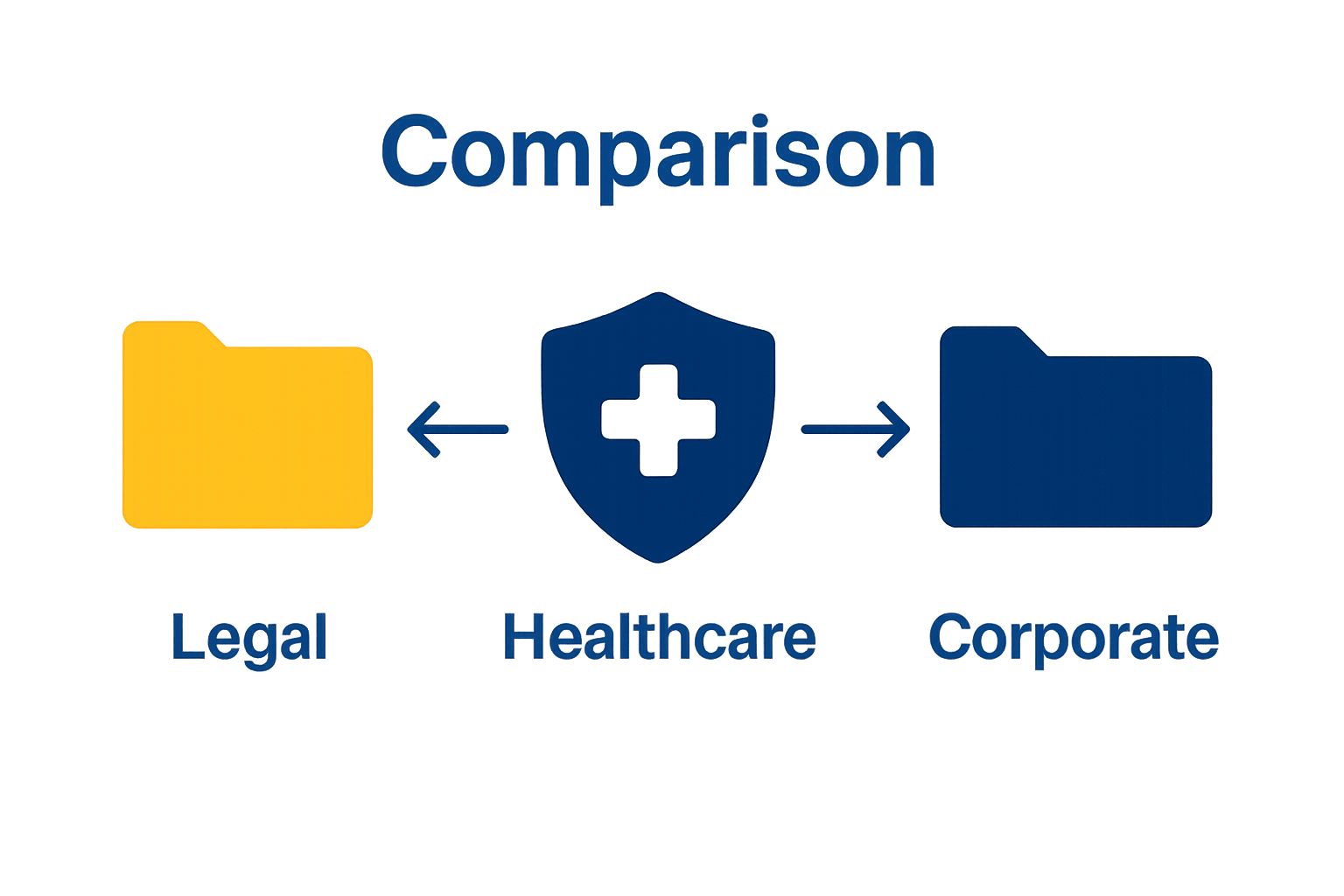
The service areas for document servers extend across multiple professional domains, including legal firms, healthcare organizations, government agencies, educational institutions, and corporate enterprises. These servers provide critical infrastructure for managing sensitive information, ensuring compliance, facilitating secure document sharing, and supporting efficient workflow management across diverse operational environments.

Legal document servers operate within a complex regulatory landscape that demands strict adherence to procedural standards. Legal compliance in process serving requires meticulous attention to detail and understanding of judicial expectations.

Handling legal documents involves critical procedural requirements that protect individual rights and ensure fair legal processes. Proper service of legal documents is essential, as failure to comply with established standards can result in significant legal consequences, including:

  • Potential dismissal of legal cases
  • Default judgments against parties
  • Contempt of court sanctions
  • Compromised due process protections

The service of critical legal documents like Summons and Complaints must follow specific protocols to uphold due process. Professional document servers must demonstrate precise knowledge of jurisdictional requirements, ensuring that all parties receive formal notification through legally recognized methods. This includes verifying recipient identity, maintaining accurate documentation of service attempts, and preserving the integrity of the legal communication process.

Comprehensive compliance standards mandate that document servers maintain rigorous documentation, implement secure transmission protocols, and consistently update their understanding of evolving legal regulations. By prioritizing accuracy, confidentiality, and procedural precision, professional document servers play a crucial role in maintaining the fundamental principles of justice and ensuring that legal communications are handled with the highest level of professional integrity.

Benefits of Professional Document Serving

Professional document servers provide critical legal support that extends far beyond simple paper delivery. Certified process servers ensure that legal communications are handled with precision, transparency, and strict procedural compliance.

The fundamental role of professional document servers is to guarantee due process by serving as impartial third-party messengers. Their core benefits include:

  • Ensuring legal notifications reach intended recipients
  • Maintaining a verifiable chain of documentation
  • Providing objective, unbiased service confirmation
  • Reducing potential legal complications
  • Protecting the integrity of judicial proceedings

Professional document servers bring specialized expertise that significantly minimizes risks associated with document delivery. They understand complex jurisdictional requirements, can navigate challenging service scenarios, and provide detailed documentation that stands up to legal scrutiny. This level of professional handling reduces the potential for procedural errors that could potentially derail legal proceedings.

Legal document professional organizing files

Moreover, these professionals offer strategic advantages for attorneys and organizations by handling time-sensitive legal communications with remarkable efficiency. Why serve legal documents professionally goes beyond mere delivery—it’s about ensuring that every legal communication is executed with maximum reliability, maintaining the fundamental principles of fairness and transparent judicial process.

Risks, Costs, and Common Mistakes

Legal document serving involves complex procedural challenges that can significantly impact case outcomes. Understanding process server compliance is crucial to mitigating potential risks and avoiding costly legal complications.

Common mistakes in document serving can lead to substantial financial and legal consequences:

  • Incorrect recipient identification
  • Improper documentation of service attempts
  • Violating jurisdictional service regulations
  • Missing critical notification deadlines
  • Failing to provide verifiable proof of service

Legal document workflow management requires meticulous attention to detail. Costs associated with document serving errors can be substantial, potentially including case dismissals, court sanctions, and the need to restart entire legal proceedings. Professional document servers minimize these risks by maintaining rigorous standards of accuracy, adhering to precise legal protocols, and providing comprehensive documentation that withstands judicial scrutiny.

The financial implications of document serving mistakes extend beyond immediate legal costs. Organizations and attorneys can face reputational damage, client dissatisfaction, and potential malpractice claims. By investing in professional document serving services, legal professionals can protect themselves from these significant risks, ensuring that every legal communication is handled with the highest level of precision and professional competence.

Hiring a professional document server is key to navigating the complex legal requirements and strict compliance standards highlighted in the article. With challenges like ensuring proper service, timely delivery, and maintaining meticulous documentation, you need a trusted partner who understands jurisdictional rules and can prevent costly mistakes. YM Doc Services specializes in providing reliable, compliant, and efficient legal document delivery that protects your case integrity and supports a smooth judicial process.

Experience peace of mind knowing these benefits:

  • Expert handling of sensitive legal documents
  • Certified process servers well-versed in all procedural rules
  • Transparent and verifiable proof of service

Bridge the gap between legal complexity and seamless document serving with professional legal document service.

https://ymdocservices.com

Don’t risk case delays or dismissal due to improper document serving. Visit YM Doc Services now to place your order and secure trustworthy process serving backed by expertise and precision. You can also learn more about why certified process servers are essential or explore our comprehensive legal document delivery solutions to streamline your legal workflow today.

Frequently Asked Questions

What is a document server?

A document server is a specialized digital system designed to manage, store, and distribute documents across professional networks. It centralizes document handling, enabling efficient workflows and secure information transfer.

What are the main benefits of hiring a professional document server?

Hiring a professional document server ensures due process, reduces potential legal complications, and provides expertise in navigating complex jurisdictional requirements. They also maintain a verifiable chain of documentation and handle time-sensitive communications effectively.

What types of document servers exist?

Document servers can be categorized into several types, including file servers for document storage, print servers for managing print jobs, mail servers for email communication, and application servers for specialized document processing tasks.

Document servers enhance legal compliance by ensuring meticulous attention to detail in handling legal documents. They follow strict procedural standards, maintain accurate documentation of service attempts, and verify recipient identity, thus protecting individual rights and promoting fair legal processes.

Posted in Uncategorized

What Is a Process Server’s Affidavit? Complete Overview

Every american legal case relies on clear evidence that all parties have been notified. A process server’s affidavit is the critical proof that keeps the system honest and transparent. In fact, courts reject nearly one in eight lawsuits nationwide due to improper service or missing documentation. Knowing what information belongs on a process server’s affidavit helps protect your rights and ensures legal actions proceed without costly delays or disputes.

Table of Contents

Key Takeaways

Point Details
Importance of Affidavit A process server’s affidavit is essential for providing official documentation of legal document service, ensuring that it can be used as evidence in court.
Key Components A valid affidavit must include specific details such as the names of all parties involved, dates, locations, and the process server’s credentials.
Legal Compliance Process servers must adhere to strict legal and ethical standards, maintaining detailed records and ensuring every affidavit is properly notarized.
Common Risks Mistakes in affidavit preparation can lead to serious consequences, including legal challenges and loss of professional credentials, so attention to detail is crucial.

Process Server’s Affidavit Explained and Defined

A process server’s affidavit is a critical legal document that provides sworn written testimony confirming the official service of legal documents to a specific recipient. This sworn statement serves as formal documentation that establishes precisely when, where, and how legal papers were delivered to an individual or entity. Process servers use these affidavits to create an official record that can be submitted to courts as proof of proper legal document delivery.

The affidavit typically includes specific details about the service, such as the exact date, time, location of service, description of the person served, and method of delivery. When certified process servers complete a document service, they must create a detailed affidavit that stands as a legally binding record. These documents are essential in legal proceedings because they provide verifiable evidence that defendants or involved parties have been officially notified about legal actions.

Key components of a standard process server’s affidavit generally encompass several critical elements. These typically include the process server’s full name and credentials, the name of the person served, physical description of the recipient, precise GPS coordinates or address of service, time and date of delivery, and a detailed description of how the documents were handed over. The affidavit must be signed and notarized, transforming it from a simple written record into a legally admissible document that can be used as evidence in court proceedings. Some jurisdictions have specific formatting requirements, so understanding process server compliance is crucial for creating a valid affidavit.

The primary purpose of a process server’s affidavit extends beyond mere documentation – it provides legal protection for both the process server and the party initiating the legal action. By creating a comprehensive, sworn statement, the process server ensures that there is an official record of document delivery, which can prevent potential disputes about whether proper notification occurred. This document serves as a critical link in maintaining the integrity of legal communication, guaranteeing that all parties have been appropriately informed about pending legal matters.

Key Elements of a Valid Affidavit

A valid affidavit of service requires precise documentation that meets strict legal standards. Legal document verification demands comprehensive details that definitively prove the service occurred exactly as reported. According to legal guidelines, an affidavit must meticulously capture specific information about the document delivery process, ensuring complete transparency and legal authenticity.

Key elements of a legally sound affidavit typically include critical components that provide irrefutable proof of service. These essential details encompass the full legal names of all parties involved, precise date and time of service, exact location where documents were delivered, and a detailed description of the service method. Process servers must also include their own full name, professional credentials, and a comprehensive physical description of the individual served – particularly when identity verification might be challenging.

Legal affidavit with highlighted key elements

The documentation requirements extend beyond basic information. A valid affidavit must be sworn or affirmed before an authorized official, such as a notary public, transforming the document from a simple written record into a legally binding statement. Professional process servers understand that legal document certification requires meticulous attention to detail. This means capturing nuanced information like the court case name, specific docket number, and providing a clear, unambiguous account of how and to whom the documents were actually delivered.

Ultimately, the primary objective of a comprehensive affidavit is to create an unimpeachable record that can withstand potential legal scrutiny. Each element serves a crucial purpose – from identifying the parties involved to documenting the precise circumstances of service. By maintaining rigorous standards of documentation, process servers ensure that legal notifications are completed with absolute precision, protecting the integrity of judicial proceedings and guaranteeing that all parties receive proper and verifiable notice.

Legal compliance in process serving demands meticulous attention to detail and strict adherence to professional standards. Legal compliance in process serving requires process servers to navigate a complex landscape of regulatory requirements that protect the integrity of legal document delivery. Professional process servers must understand and implement comprehensive protocols that ensure every aspect of document service meets rigorous legal standards.

Specific legal standards mandate precise documentation and professional conduct. According to regulatory guidelines, process servers must maintain extensive records, including comprehensive affidavits that accurately detail every element of document service. This includes recording the exact date, time, location of service, and providing a detailed description of how documents were delivered. Process servers are legally obligated to include their professional license number on all affidavits and maintain meticulous records for a minimum of seven years, ensuring a transparent and accountable process.

The compliance requirements extend beyond simple record-keeping. Process servers must demonstrate unwavering commitment to ethical practices, which means avoiding false statements, maintaining professional integrity, and ensuring that all documentation reflects the actual circumstances of document service. Legal document workflow demands precision, with each affidavit serving as a critical legal instrument that can potentially be scrutinized in court proceedings. Professional process servers must be prepared to substantiate every detail of their service documentation, understanding that their work directly impacts the legal process.

Ultimately, legal standards and compliance requirements are designed to protect all parties involved in legal proceedings. By establishing rigorous documentation protocols, regulatory bodies ensure that document service remains transparent, verifiable, and fundamentally fair. Process servers who consistently meet these high standards not only protect themselves from potential legal challenges but also contribute to the broader integrity of the judicial system, guaranteeing that legal notifications are conducted with the highest level of professionalism and accuracy.

Completing and Filing the Affidavit Correctly

Preparing an affidavit of service requires precision and strict attention to detail. Legal paperwork basics demand that process servers understand the critical steps involved in creating a comprehensive and legally valid document. The process begins with gathering all necessary information about the service, ensuring that each detail is documented accurately and thoroughly.

The physical preparation of the affidavit involves several critical components. Process servers must meticulously complete each section, starting with their personal and professional information, including full name, license number, and contact details. They need to provide an exact account of the service, documenting the precise date, time, and location of document delivery. This includes a detailed description of the individual served, the method of service, and any unique circumstances surrounding the document delivery.

Steps for filing a process server affidavit infographic

Notarization represents a crucial final step in the affidavit filing process. Legal document delivery requires that the completed affidavit be signed in the presence of a licensed notary public, who will verify the server’s identity and witness the signing. The notary will attach their official seal and signature, transforming the document from a simple written record into a legally binding instrument. Process servers must ensure all signatures are original, all information is typed or clearly written, and no sections are left blank or incomplete.

Filing the completed affidavit demands equal care and attention. Depending on the specific legal jurisdiction, process servers may need to file the document with the court clerk, the requesting attorney, or maintain it in their own professional records. Multiple copies are typically required, with each copy needing to be identical and containing original signatures. The careful management of these documents ensures a clear, verifiable record of service that can withstand potential legal scrutiny, protecting both the process server and the parties involved in the legal proceeding.

Common Errors and Risks to Avoid

Affidavit preparation requires extreme precision, as even minor errors can compromise the entire legal document. 7 Essential Legal Paperwork Tips highlight the critical nature of avoiding common mistakes that could invalidate a process server’s documentation. Process servers must recognize that seemingly insignificant errors can result in serious professional and legal consequences.

One of the most significant risks involves misrepresentation or inaccurate reporting. Legal guidelines strictly prohibit making false statements in an affidavit, with potential consequences including professional license suspension or revocation. Common errors include providing incomplete personal information, incorrectly documenting service details, failing to include precise location and time of service, or misidentifying the recipient. Process servers must meticulously verify every detail, ensuring that each statement can be independently confirmed and stands up to potential legal scrutiny.

Technical errors can also undermine the validity of a service affidavit. These might include using incorrect legal terminology, omitting required professional license numbers, failing to obtain proper notarization, or submitting documents with incomplete or illegible information. Each of these mistakes can render an affidavit inadmissible, potentially jeopardizing the entire legal process. Process servers must develop a systematic approach to document preparation, double-checking every element and maintaining the highest standards of professional documentation.

The risks extend beyond immediate document rejection. Inaccurate or fraudulent affidavits can lead to severe professional repercussions, including potential legal action, loss of professional credentials, and damage to professional reputation. Process servers must approach each document with the understanding that their work directly impacts judicial proceedings. Maintaining meticulous records, following strict documentation protocols, and approaching each service with unwavering attention to detail are the most effective strategies for avoiding these potentially devastating professional and legal risks.

Understanding the critical role of a process server’s affidavit means recognizing the need for absolute accuracy and legal compliance in every detail. If you have struggled with completing a valid affidavit of service or worry about avoiding common errors that could jeopardize your case, you are not alone. The affidavit is more than just paperwork it is the key evidence that guarantees your legal documents were served properly and can withstand legal scrutiny.

At YM Doc Services, we specialize in helping you navigate these challenges with ease. Our team of certified process servers ensures every affidavit is meticulously prepared, signed, and notarized according to the highest legal compliance process serving standards. We focus on reliability and timeliness so you can trust that your legal notifications reach the right parties without delay or dispute. Whether you need professional assistance with service or want to learn more about legal document delivery protocols, we stand ready to support your legal process efficiently.

https://ymdocservices.com

Don’t risk costly setbacks with incomplete or inaccurate affidavits. Take control of your legal document services now by visiting YM Doc Services and start streamlining your process serving with trusted experts who put compliance first. Accurate affidavits and timely service mean peace of mind for you and your clients.

Frequently Asked Questions

What is the purpose of a process server’s affidavit?

A process server’s affidavit serves as formal documentation that confirms the official delivery of legal documents to an individual or entity, providing proof of service in legal proceedings.

What key elements are included in a process server’s affidavit?

A valid affidavit typically includes the process server’s name and credentials, the name and physical description of the person served, the exact date, time, and location of service, and a detailed account of how the documents were delivered.

Why is notarization important for a process server’s affidavit?

Notarization is crucial because it transforms the affidavit into a legally binding document. It confirms the identity of the process server and ensures that the affidavit can stand up to legal scrutiny.

What are common errors to avoid when preparing a process server’s affidavit?

Common errors include providing incomplete or inaccurate information, failing to notarize the document, and omitting required professional license numbers. These mistakes can invalidate the affidavit and jeopardize legal proceedings.

Posted in Uncategorized

Complete Guide to Jurisdiction and Process Serving

Courts across the american legal system rely on precise jurisdiction rules and process serving standards to keep justice on track. Over 90 percent of legal disputes hinge on getting jurisdiction right, making it more than just a technical detail. If you want to avoid common pitfalls that can derail cases, understanding how courts decide authority and how legal documents must be served is essential. This guide offers you clear, practical insight into how jurisdiction and process serving shape every step of the legal process.

Table of Contents

Key Takeaways

Point Details
Understanding Jurisdiction Jurisdiction is a court’s authority to hear and decide cases, influenced by personal and subject matter factors.
Types of Jurisdiction U.S. law identifies subject matter, personal, territorial, and appellate jurisdiction, each defining a court’s scope.
Process Serving Importance Proper process serving is vital for legal notification and maintaining jurisdictional integrity, requiring precise documentation.
Risks and Common Mistakes Common pitfalls in process serving can lead to invalid legal proceedings, emphasizing the need for accuracy and thorough documentation.

Jurisdiction and Process Serving Defined

Understanding jurisdiction is fundamental to legal procedures and process serving. According to Cornell Law, jurisdiction refers to a court’s legal authority to hear and decide cases, which encompasses two critical dimensions: personal jurisdiction over involved parties and subject matter jurisdiction over specific legal issues.

In the context of legal proceedings, jurisdiction is not a one-size-fits-all concept. As Sophia Learning explains, jurisdiction is determined by multiple complex factors including subject matter, personal connections, and geographic location. These elements collectively define where and under what circumstances a particular court can legitimately exercise its legal power.

Process serving plays a crucial role in establishing jurisdictional boundaries. When legal documents are served, they must be delivered in a manner that respects jurisdictional requirements, ensuring that the legal system maintains its structural integrity. This means process servers must understand precise geographic limitations, individual legal statutes, and the specific rules governing document delivery within different court systems. Service of Process Laws: Complete Guide for 2025 provides additional insights into these nuanced legal protocols.

The intersection of jurisdiction and process serving represents a delicate legal dance. Proper service ensures that all parties receive appropriate legal notification while maintaining the procedural standards that protect individual rights. Failure to adhere to jurisdictional guidelines can result in legal challenges, potentially rendering entire legal proceedings invalid. Understanding these intricate mechanisms is not just a technical requirement but a fundamental aspect of maintaining fair and transparent legal processes.

Types of Jurisdiction in U.S. Law

Understanding the types of jurisdiction is crucial for navigating the complex landscape of U.S. legal systems. According to Cornell Law, U.S. law recognizes several distinct jurisdictional categories that define a court’s authority to hear and decide legal matters.

Sophia Learning outlines four primary types of jurisdiction in the U.S. legal system: subject matter jurisdiction, personal jurisdiction, territorial jurisdiction, and appellate jurisdiction. Each of these plays a unique role in determining how and where legal proceedings can occur.

Subject matter jurisdiction refers to a court’s authority to hear cases of a specific type or relating to particular legal issues. For instance, some courts specialize in family law, while others handle criminal cases or federal regulatory disputes. Personal jurisdiction focuses on the court’s power over the specific parties involved in a legal action, ensuring that defendants have sufficient connections to the jurisdiction to be legally compelled to participate in proceedings.

The territorial jurisdiction limits a court’s power to cases occurring within its geographic boundaries, which is particularly important in state and local legal systems. Appellate jurisdiction allows higher courts to review and potentially overturn decisions made by lower courts, providing a critical mechanism for legal review and consistency. Service of Process Laws: Complete Guide for 2025 offers deeper insights into how these jurisdictional types interact with process serving requirements, highlighting the intricate balance between legal authority and procedural compliance.

Legal process serving is a critical component of the judicial system that ensures proper notification and legal compliance. According to Federal Law Enforcement Training Center, process serving involves delivering legal documents to parties in a case while maintaining strict adherence to jurisdictional requirements.

The process typically involves several key steps. Step by Step Process Serving: Complete Guide for Legal Delivery outlines the critical stages of effective document delivery. Initially, the process server must locate the intended recipient and verify their identity. This requires meticulous research, potentially involving skip tracing techniques to find individuals who might be deliberately avoiding legal notifications.

Once the recipient is located, the process server must execute proper document delivery.

process server delivery As noted by the Organization of American States, this involves following specific procedures to establish jurisdiction and ensure due process. The delivery must be documented precisely, typically requiring:

  • Accurate identification of the recipient
  • Detailed time and location of service
  • Proper method of document handoff
  • Comprehensive documentation of the interaction

The final crucial step involves providing proof of service. This legal documentation confirms that the recipient was properly notified, including details such as date, time, location, and method of service. Failure to follow these precise steps can invalidate legal proceedings, making each stage of process serving a critical component of the judicial system’s integrity.

Requirements for Valid Service of Process

Achieving valid service of process is a complex legal procedure that demands meticulous attention to detail. According to the Federal Law Enforcement Training Center, valid service necessitates strict adherence to legal procedures, including proper delivery methods and compliance with jurisdictional rules.

The fundamental requirements for valid service typically involve several critical components. Legal Compliance in Process Serving: Complete Guide highlights the key elements that ensure legal documentation is properly delivered. These requirements include:

  • Accurate recipient identification
  • Proper delivery method
  • Compliance with jurisdictional regulations
  • Timely documentation

As noted by the Organization of American States, valid service of process fundamentally requires ensuring the recipient’s awareness while maintaining the court’s jurisdictional integrity. This means the process server must not only locate and identify the correct individual but also deliver documents in a manner that legally confirms the recipient’s notification. The documentation must be precise, including detailed records of when, where, and how the documents were served, leaving no room for legal challenges or disputes about the service’s validity.

Risks, Challenges, and Common Mistakes

Process serving is fraught with potential pitfalls that can compromise legal proceedings. According to the Federal Law Enforcement Training Center, the primary challenges include ensuring accurate delivery, maintaining proper documentation, and navigating complex jurisdictional requirements.

The most critical risks in process serving often stem from seemingly minor oversights. Service of Process Workflow: Everything You Need to Know identifies several common mistakes that can derail legal notifications:

  • Incorrect recipient identification
  • Improper delivery methods
  • Missed jurisdictional nuances
  • Incomplete documentation
  • Timing errors

As highlighted by the Organization of American States, inadequate record-keeping represents a significant risk that can invalidate entire legal proceedings. Process servers must be meticulously accurate, understanding that a single mistake can render service null and void. This means verifying every detail: confirming the exact identity of the recipient, using approved delivery methods, documenting the exact time and manner of service, and ensuring complete compliance with local and state jurisdictional requirements. The consequences of failure can be severe, potentially causing legal cases to be dismissed or requiring time-consuming and expensive re-service of documents.

Infographic displaying types of jurisdiction, serving steps, and common mistakes

Simplify Jurisdictional Process Serving with Expert Support

Navigating the complexities of jurisdiction and process serving requires precise understanding and flawless execution. The article highlights struggles like ensuring proper personal jurisdiction, following strict delivery methods, and avoiding costly mistakes such as missed documentation or incorrect recipient identification. These challenges can delay legal proceedings and cause unnecessary stress.

At YM Doc Services, we specialize in addressing these exact pain points to keep your cases moving forward. Our professional team ensures strict compliance with jurisdictional rules, meticulous recipient verification, and thorough documentation, all designed to protect your legal process integrity. Whether you need help with skip tracing, court filings, or reliable legal document delivery, our streamlined services reduce your risk and enhance efficiency.

Transform your legal process serving experience now by visiting our main site.

https://ymdocservices.com

Take control of your legal documents today with YM Doc Services. Get started by exploring detailed guides and placing your order on our website to ensure timely and compliant service delivery that meets all jurisdictional standards.

Frequently Asked Questions

Jurisdiction refers to a court’s legal authority to hear and decide cases, which includes personal jurisdiction over the parties involved and subject matter jurisdiction over specific legal issues.

The U.S. legal system recognizes four primary types of jurisdiction: subject matter jurisdiction, personal jurisdiction, territorial jurisdiction, and appellate jurisdiction, each governing different aspects of legal authority.

The key steps in legal process serving include locating the recipient, verifying their identity, delivering the legal documents properly, and providing proof of service to confirm that notice was given.

Common mistakes include incorrect recipient identification, improper delivery methods, incomplete documentation, missed jurisdictional nuances, and timing errors that can lead to invalid service of process.

Posted in Uncategorized

Notarization Process Explained: Step-by-Step for Legal Needs

Over 1.25 billion documents are notarized each year in the american legal system, showing just how crucial proper notarization is for important paperwork. Forgetting even one small detail can cause delays or even rejection, which frustrates people across the country. Knowing how to gather documents, prove identity, and meet every step can make the process straightforward and stress free. This guide will walk you through each step to help ensure your american notary experience goes smoothly and your documents hold up in court.

Table of Contents

Quick Summary

Key Point Explanation
1. Gather Required Documents Early Collect original documents, including property deeds and affidavits, before meeting with the notary to ensure smooth notarization.
2. Verify Signer’s Identity Present a valid government-issued ID to confirm the signer’s identity and willingness to sign the document.
3. Present to a Licensed Notary Ensure you bring all documents and ID, and understand the content before meeting with the notary for authentication.
4. Complete Notarial Act Properly Sign in the presence of the notary, who will apply an official seal and record the transaction for legal validity.
5. Check Document Compliance Post-Notarization Make sure the notarized document adheres to legal standards and retain a copy for your records to prevent issues later.

Step 1: Gather Required Documents for Notarization

Successfully preparing for document notarization begins with assembling the right paperwork. Your goal is to collect all necessary materials before meeting with a notary public, ensuring a smooth and efficient process.

According to the National Notary, notaries should verify that documents are fully prepared and contain all necessary details before proceeding. This means checking each document for completeness and accuracy. Start by gathering original documents rather than photocopies. Typical documents requiring notarization include:

  • Property deeds
  • Affidavits
  • Power of attorney forms
  • Loan documents
  • Signatures requiring legal verification

Each document must be intact and have no missing information. Notary Public Association warns that incomplete documents may lead to refusal of notarization. Verify that all sections are filled out, signatures are present, and no critical details are omitted.

Pro tip: Bring a valid government issued photo identification such as a driver’s license or passport. The notary will need to verify your identity before processing any documents. This step helps prevent potential fraud and ensures legal compliance.

Ready for the next phase? Prepare to visit a notary with your complete documentation package.

Step 2: Verify Signer Identity and Willingness

Verifying the identity and genuine willingness of the document signer is a critical step in the notarization process. This crucial phase prevents potential fraud and ensures the legal integrity of the document.

According to the Notary Public Association, notaries must confirm the signer’s identity using government-issued identification and ensure the signer is willing and aware of the document’s contents. The verification process typically involves three key components:

  • Examining a valid government-issued photo ID
  • Confirming the signer’s physical and mental competence
  • Verifying the signer understands the document’s purpose

The National Notary emphasizes that proper identification is crucial to prevent fraudulent activities. This means the identification must be current, contain a photograph, and match the person presenting the document.

signer id verification

Pro tip: If the signer appears uncomfortable or seems to be acting under duress, the notary has the legal and ethical responsibility to halt the notarization process. Trust your instincts and prioritize the signer’s voluntary participation.

With identity verification complete, you are now ready to move forward to the next critical stage of the notarization process.

Step 3: Present Documents to a Licensed Notary

Presenting your documents to a licensed notary is the pivotal moment where your legal paperwork transforms from a simple document to an officially authenticated record. This step requires careful preparation and understanding of the notarization process.

According to the Notary Public Association, the signer must present the document to a licensed notary, who will review it for completeness and legality before proceeding. When you meet with the notary, be prepared to:

  • Bring all original documents
  • Have valid government issued photo identification
  • Understand the contents of the document you are signing
  • Be ready to sign in the notarys presence

The National Notary emphasizes that documents should be presented to a commissioned notary public who will carefully examine them to ensure they are ready for notarization. This means the notary will meticulously check each page, verify your identity, and confirm you are willingly signing the document.

Pro tip: Call ahead to confirm the notarys availability and any specific requirements they might have for document processing. Some notaries specialize in certain types of documents or may have specific office protocols.

With your documents presented and reviewed, you are now ready for the official notarization signature and seal.

Step 4: Complete Notarial Act and Obtain Seal

The final stage of notarization transforms your document from a simple piece of paper to a legally authenticated record. This critical moment involves the notary officially certifying the document through a precise and formal process.

According to the Notary Public Association, after verifying the document and signer’s identity, the notary completes the notarial act by witnessing the signature and affixing the official seal. This involves several key steps:

  • Confirming the signer’s willingness to sign
  • Watching the actual signing of the document
  • Completing the notarial certificate with specific details
  • Applying the official notary seal and signature

The National Notary emphasizes that the notary finalizes the process by completing the notarial certificate, signing, and applying the official seal to the document. This seal serves as a critical authentication marker, verifying the document’s legitimacy and the notary’s official involvement.

Pro tip: Ensure the notary records the transaction in their official journal, which provides an additional layer of legal protection and creates a permanent record of the notarization.

With the seal applied and the document authenticated, you now have a legally recognized document ready for its intended purpose.

The final verification stage ensures your notarized document meets all legal standards and maintains its intended purpose. This critical review protects your legal interests and prevents potential future complications.

According to the Notary Public Association, notaries should ensure that the notarized document complies with all legal requirements and is valid for its intended purpose. This comprehensive review involves several key assessment points:

  • Checking all signatures are complete and matching
  • Verifying the notarial certificate is fully executed
  • Confirming no pages are missing or altered
  • Ensuring all required information is accurately documented

The National Notary emphasizes that after notarization, it is crucial to confirm the document meets all legal standards and is properly executed. Learn more about verifying legal documents with our comprehensive guide on how to verify legal documents.

Pro tip: Retain a copy of the notarized document for your personal records. This provides an additional layer of protection and serves as a backup in case the original is lost or challenged.

With document validity confirmed, you now have a legally recognized and compliant record ready for its specific legal purpose.

Five-step visual guide to notarization process with icons

Navigating the notarization process can feel overwhelming with important steps like verifying signer identity and ensuring document validity. You want to avoid delays or mistakes that could risk your legal paperwork. YM Doc Services understands these challenges and offers reliable solutions to help you manage your legal documents confidently. Whether you need seamless process serving, efficient court filings, or secure document retrieval, our professional team is ready to support you at every critical phase.

https://ymdocservices.com

Take charge of your legal documents today and reduce the stress of meeting deadlines or compliance issues. Visit YM Doc Services now to discover how we can streamline your legal processes. Explore our wide range of services, including trusted document handling and expert guidance designed with your needs in mind. Don’t wait until it’s too late. Get started now with YM Doc Services and experience peace of mind throughout your notarization and beyond.

Frequently Asked Questions

What documents are typically required for notarization?

To complete the notarization process, you usually need original documents such as property deeds, affidavits, power of attorney forms, or loan documents. Ensure all documents are intact and fully completed before meeting with a notary.

How can I verify the identity of the signer during the notarization process?

The notary must examine a valid government-issued photo ID to confirm the signer’s identity. Additionally, the notary should assess the signer’s willingness and understanding of the document’s purpose before proceeding.

What steps should I take to prepare for my appointment with a notary?

Gather all original documents, a valid government-issued photo ID, and be ready to understand the contents of what you are signing. Contact the notary beforehand to confirm their availability and any specific requirements for your documents.

How does the notary complete the notarization?

The notary finalizes the process by witnessing the signer’s signature, completing a notarial certificate, and applying their official seal. Make sure the notary records the transaction in their official journal for additional legal protection.

What should I do after notarizing my document?

After notarization, confirm that all signatures are complete and the notarial certificate is fully executed. Retain a copy of the notarized document for your records to have a backup in case of any future disputes.

Posted in Uncategorized

Legal Compliance in Process Serving: Complete Guide

Most american legal cases depend on the accuracy of process serving, yet errors can threaten entire proceedings. Improper service of process can lead to case dismissals or major delays, according to national legal experts. Without strict compliance, both plaintiffs and defendants risk losing crucial rights in court. By understanding what legal compliance truly involves, readers can protect their interests and ensure that each step of process serving follows the law from start to finish.

Table of Contents

Key Takeaways

Point Details
Legal Compliance is Crucial Adhering to established protocols ensures defendants’ rights and the integrity of legal proceedings.
Understanding State and Federal Laws Process servers must remain informed about varying regulations across jurisdictions to ensure compliance.
Essential Service Requirements Valid service mandates correct recipient identification and adherence to local legal delivery methods.
Avoiding Common Mistakes Awareness of frequent errors can help prevent significant legal repercussions and maintain professional integrity.

Legal compliance in process serving represents a critical foundation for maintaining the integrity of legal proceedings. According to Cornell Law, service of process is the procedural mechanism by which legal parties provide appropriate notice of legal action to another party, court, or administrative body, ensuring fundamental due process protections.

At its core, legal compliance in process serving involves meticulously following established legal protocols when delivering litigation documents. This means guaranteeing that legal notifications are transmitted precisely, professionally, and in strict adherence to jurisdictional requirements. A professional process servers guide can help understand these nuanced requirements.

Key elements of legal compliance in process serving include:

  • Verifying the correct recipient’s identity
  • Documenting service attempts and successful deliveries
  • Following specific jurisdiction-mandated notification procedures
  • Maintaining detailed and accurate service records
  • Ensuring timely and proper document transmission

The ultimate goal of legal compliance is protecting defendants’ rights while enabling judicial proceedings to move forward effectively. By maintaining rigorous standards, process servers ensure that legal notifications are handled with professionalism, accuracy, and respect for procedural due process.

State and Federal Laws Governing Process Serving

Process serving operates within a complex legal framework that spans both state and federal regulations, ensuring consistent and fair legal notification procedures across jurisdictions. Federal regulations provide foundational guidelines, such as the Code of Federal Regulations 32 CFR § 516.10, which specifically addresses service of civil process and mandates that government officials cannot impede legal notifications.

At the state level, legal requirements for process serving vary significantly. Each state maintains its own specific statutes that dictate critical aspects of document service, including:

  • Acceptable methods of service
  • Time frames for document delivery
  • Qualifications for process servers
  • Documentation and proof of service requirements
  • Restrictions on who can serve legal documents

The service of process laws guide can help professionals navigate these intricate legal landscapes. While federal guidelines provide a baseline, state laws introduce nuanced regulations that process servers must meticulously follow to ensure legal compliance.

Understanding these multilayered legal requirements is crucial. Process servers must remain current with evolving state and federal regulations, as non-compliance can invalidate legal proceedings, potentially causing significant procedural complications.

Continuous education, thorough documentation, and precise adherence to jurisdictional guidelines are essential for maintaining the integrity of legal notification processes.

Infographic comparing state laws, federal laws, and process server duties.

Essential Requirements for Valid Service

According to Cornell Law, valid service of process is a critical legal procedure that requires precise delivery of legal documents to ensure defendants receive proper notice of legal actions. The fundamental goal is to guarantee that individuals are officially informed about legal proceedings initiated against them, protecting their right to respond and participate in the judicial process.

The essential requirements for valid service typically include:

  • Identifying the correct recipient
  • Using legally approved methods of delivery
  • Providing complete and accurate legal documentation
  • Maintaining detailed records of service attempts
  • Adhering to specific time frames and jurisdictional regulations
  • Ensuring personal or authorized substitute service

Professionals can gain deeper insights by consulting the step by step process serving guide to understand the nuanced requirements. Different jurisdictions may have unique specifications, but the core principles remain consistent: delivering legal documents in a manner that provides verifiable, transparent, and legally recognized notification.

Process servers must exercise extreme precision and professionalism. Invalid service can result in case dismissals, delayed legal proceedings, or potential legal challenges. This underscores the importance of comprehensive training, meticulous documentation, and an unwavering commitment to following each jurisdiction’s specific legal service protocols. The ultimate objective is to balance legal efficiency with fundamental due process protections for all parties involved.

valid legal service

Provider Duties and Professional Standards

Cornell Law outlines critical responsibilities for process servers, emphasizing their fundamental role in upholding judicial integrity through precise and ethical legal document delivery. Professional standards in process serving extend far beyond simple document transportation, requiring a comprehensive approach to legal notification that balances procedural accuracy with professional conduct.

Key professional duties for process servers include:

  • Maintaining absolute confidentiality of legal documents
  • Documenting all service attempts with meticulous detail
  • Verifying recipient identity before document delivery
  • Providing accurate and timely proof of service
  • Remaining impartial and objective during service
  • Adhering to strict ethical guidelines

Professionals seeking to deepen their understanding can reference the process server compliance guide for comprehensive insights. The role demands not just technical proficiency, but a nuanced understanding of legal protocols, personal discretion, and unwavering commitment to procedural integrity.

Ultimately, process servers function as critical intermediaries in the legal system. Their professional conduct directly impacts judicial proceedings, making their responsibilities far more complex than simple document delivery. Continuous training, rigorous documentation, and an uncompromising commitment to ethical standards are not just recommended—they are essential components of maintaining the judicial system’s fundamental principles of fairness and due process.

Risks, Liabilities, and Common Mistakes

According to Cornell Law, improper service of process can trigger significant legal consequences that extend far beyond simple procedural errors. Legal risks in process serving are substantial, with potential outcomes ranging from case dismissals to complete judicial invalidation of legal proceedings.

Common mistakes that process servers must vigilantly avoid include:

  • Serving documents to incorrect recipients
  • Failing to meet strict jurisdictional time frames
  • Incomplete or inaccurate documentation
  • Not following specific local service procedures
  • Inadequate verification of recipient identity
  • Neglecting to maintain comprehensive service records

Professionals can mitigate these risks by consulting the service of process for individuals guide, which provides critical insights into navigating complex legal notification landscapes. Understanding the nuanced requirements of each jurisdiction becomes paramount in preventing potentially costly legal missteps.

The financial and professional stakes are incredibly high. A single procedural mistake can result in substantial monetary penalties, potential professional disciplinary actions, and irreparable damage to one’s professional reputation. Process servers must approach each service with meticulous attention to detail, recognizing that their work directly impacts the fundamental principles of judicial fairness and due process.

Navigating the complex world of legal compliance in process serving can be overwhelming. The article highlights critical challenges such as adhering to state and federal regulations, avoiding common mistakes like serving incorrect recipients, and maintaining detailed service records to protect defendants’ rights and uphold due process. These pain points emphasize the importance of precision, timeliness, and adherence to jurisdictional mandates to prevent costly delays or case dismissals.

At YM Doc Services, we specialize in delivering reliable and legally compliant process serving tailored to meet these exact needs. Our team follows strict professional standards to verify identities, document every service attempt, and ensure all deadlines and legal requirements are met. Whether you need assistance with standard legal document delivery or require guidance through jurisdiction-specific protocols, we provide comprehensive support designed to reduce stress and protect your case integrity.

https://ymdocservices.com

Take control of your legal notifications today by partnering with a professional you can trust. Visit us now at YM Doc Services and learn how our expert process serving solutions can streamline your legal document management, keep you compliant with evolving laws, and strengthen your litigation efforts. Don’t risk delays or invalid service. Order your process serving confidently and efficiently now.

Frequently Asked Questions

Legal compliance in process serving refers to the strict adherence to established legal protocols when delivering legal documents, ensuring that notifications are handled accurately and in accordance with jurisdictional requirements.

What are the essential requirements for valid service of process?

Essential requirements for valid service of process typically include identifying the correct recipient, using legally approved delivery methods, providing accurate documentation, adhering to time frames, and ensuring personal or authorized substitute service.

What are the common mistakes to avoid in process serving?

Common mistakes to avoid include serving documents to incorrect recipients, failing to meet jurisdictional time frames, incomplete documentation, not following local service procedures, and inadequate verification of recipient identity.

Why is maintaining accurate service records important in process serving?

Maintaining accurate service records is crucial as it provides verifiable proof of service attempts and successful deliveries, which can protect the legal rights of defendants and ensure the integrity of judicial proceedings.

Posted in Uncategorized
Verified by MonsterInsights