

Every american legal case relies on clear evidence that all parties have been notified. A process server’s affidavit is the critical proof that keeps the system honest and transparent. In fact, courts reject nearly one in eight lawsuits nationwide due to improper service or missing documentation. Knowing what information belongs on a process server’s affidavit helps protect your rights and ensures legal actions proceed without costly delays or disputes.
Table of Contents
- Process Server’s Affidavit Explained and Defined
- Key Elements of a Valid Affidavit
- Legal Standards and Compliance Requirements
- Completing and Filing the Affidavit Correctly
- Common Errors and Risks to Avoid
Key Takeaways
| Point | Details |
|---|---|
| Importance of Affidavit | A process server’s affidavit is essential for providing official documentation of legal document service, ensuring that it can be used as evidence in court. |
| Key Components | A valid affidavit must include specific details such as the names of all parties involved, dates, locations, and the process server’s credentials. |
| Legal Compliance | Process servers must adhere to strict legal and ethical standards, maintaining detailed records and ensuring every affidavit is properly notarized. |
| Common Risks | Mistakes in affidavit preparation can lead to serious consequences, including legal challenges and loss of professional credentials, so attention to detail is crucial. |
Process Server’s Affidavit Explained and Defined
A process server’s affidavit is a critical legal document that provides sworn written testimony confirming the official service of legal documents to a specific recipient. This sworn statement serves as formal documentation that establishes precisely when, where, and how legal papers were delivered to an individual or entity. Process servers use these affidavits to create an official record that can be submitted to courts as proof of proper legal document delivery.
The affidavit typically includes specific details about the service, such as the exact date, time, location of service, description of the person served, and method of delivery. When certified process servers complete a document service, they must create a detailed affidavit that stands as a legally binding record. These documents are essential in legal proceedings because they provide verifiable evidence that defendants or involved parties have been officially notified about legal actions.
Key components of a standard process server’s affidavit generally encompass several critical elements. These typically include the process server’s full name and credentials, the name of the person served, physical description of the recipient, precise GPS coordinates or address of service, time and date of delivery, and a detailed description of how the documents were handed over. The affidavit must be signed and notarized, transforming it from a simple written record into a legally admissible document that can be used as evidence in court proceedings. Some jurisdictions have specific formatting requirements, so understanding process server compliance is crucial for creating a valid affidavit.
The primary purpose of a process server’s affidavit extends beyond mere documentation – it provides legal protection for both the process server and the party initiating the legal action. By creating a comprehensive, sworn statement, the process server ensures that there is an official record of document delivery, which can prevent potential disputes about whether proper notification occurred. This document serves as a critical link in maintaining the integrity of legal communication, guaranteeing that all parties have been appropriately informed about pending legal matters.
Key Elements of a Valid Affidavit
A valid affidavit of service requires precise documentation that meets strict legal standards. Legal document verification demands comprehensive details that definitively prove the service occurred exactly as reported. According to legal guidelines, an affidavit must meticulously capture specific information about the document delivery process, ensuring complete transparency and legal authenticity.
Key elements of a legally sound affidavit typically include critical components that provide irrefutable proof of service. These essential details encompass the full legal names of all parties involved, precise date and time of service, exact location where documents were delivered, and a detailed description of the service method. Process servers must also include their own full name, professional credentials, and a comprehensive physical description of the individual served – particularly when identity verification might be challenging.
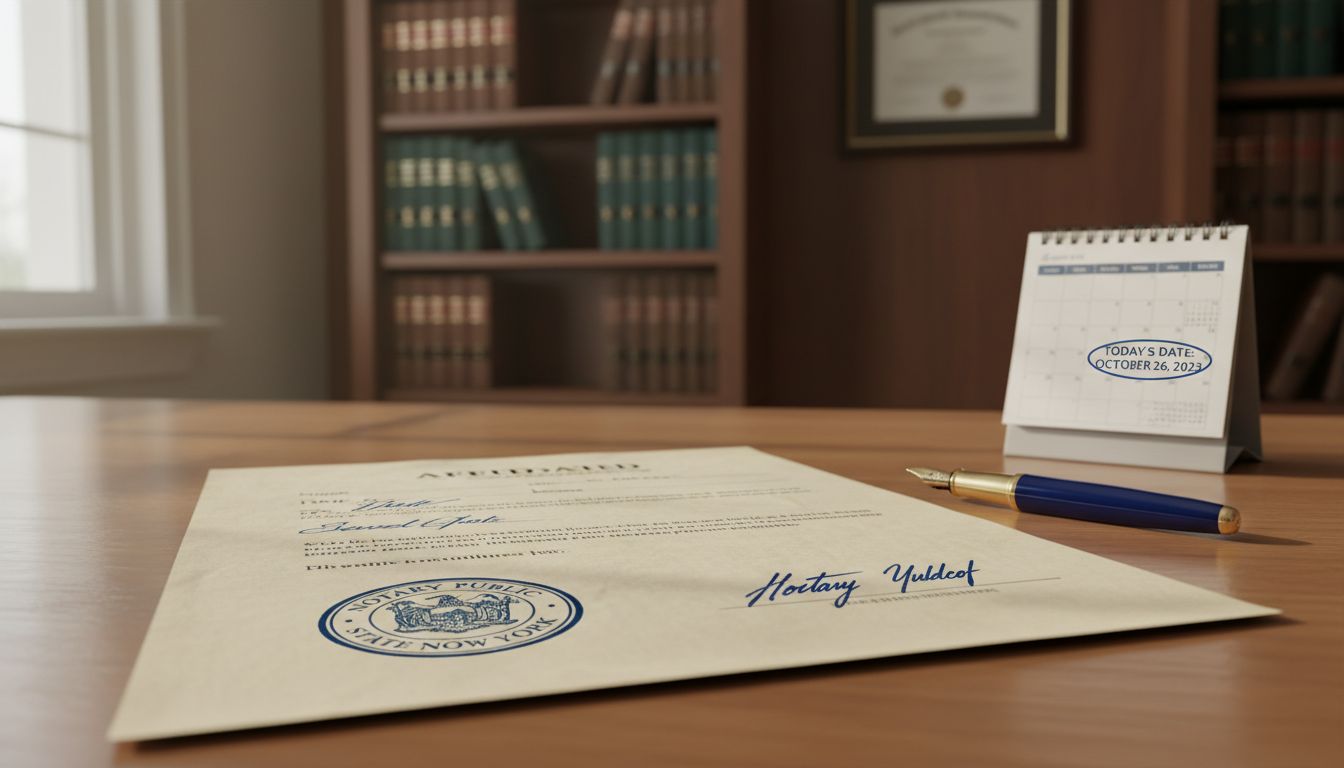
The documentation requirements extend beyond basic information. A valid affidavit must be sworn or affirmed before an authorized official, such as a notary public, transforming the document from a simple written record into a legally binding statement. Professional process servers understand that legal document certification requires meticulous attention to detail. This means capturing nuanced information like the court case name, specific docket number, and providing a clear, unambiguous account of how and to whom the documents were actually delivered.
Ultimately, the primary objective of a comprehensive affidavit is to create an unimpeachable record that can withstand potential legal scrutiny. Each element serves a crucial purpose – from identifying the parties involved to documenting the precise circumstances of service. By maintaining rigorous standards of documentation, process servers ensure that legal notifications are completed with absolute precision, protecting the integrity of judicial proceedings and guaranteeing that all parties receive proper and verifiable notice.
Legal Standards and Compliance Requirements
Legal compliance in process serving demands meticulous attention to detail and strict adherence to professional standards. Legal compliance in process serving requires process servers to navigate a complex landscape of regulatory requirements that protect the integrity of legal document delivery. Professional process servers must understand and implement comprehensive protocols that ensure every aspect of document service meets rigorous legal standards.
Specific legal standards mandate precise documentation and professional conduct. According to regulatory guidelines, process servers must maintain extensive records, including comprehensive affidavits that accurately detail every element of document service. This includes recording the exact date, time, location of service, and providing a detailed description of how documents were delivered. Process servers are legally obligated to include their professional license number on all affidavits and maintain meticulous records for a minimum of seven years, ensuring a transparent and accountable process.
The compliance requirements extend beyond simple record-keeping. Process servers must demonstrate unwavering commitment to ethical practices, which means avoiding false statements, maintaining professional integrity, and ensuring that all documentation reflects the actual circumstances of document service. Legal document workflow demands precision, with each affidavit serving as a critical legal instrument that can potentially be scrutinized in court proceedings. Professional process servers must be prepared to substantiate every detail of their service documentation, understanding that their work directly impacts the legal process.
Ultimately, legal standards and compliance requirements are designed to protect all parties involved in legal proceedings. By establishing rigorous documentation protocols, regulatory bodies ensure that document service remains transparent, verifiable, and fundamentally fair. Process servers who consistently meet these high standards not only protect themselves from potential legal challenges but also contribute to the broader integrity of the judicial system, guaranteeing that legal notifications are conducted with the highest level of professionalism and accuracy.
Completing and Filing the Affidavit Correctly
Preparing an affidavit of service requires precision and strict attention to detail. Legal paperwork basics demand that process servers understand the critical steps involved in creating a comprehensive and legally valid document. The process begins with gathering all necessary information about the service, ensuring that each detail is documented accurately and thoroughly.
The physical preparation of the affidavit involves several critical components. Process servers must meticulously complete each section, starting with their personal and professional information, including full name, license number, and contact details. They need to provide an exact account of the service, documenting the precise date, time, and location of document delivery. This includes a detailed description of the individual served, the method of service, and any unique circumstances surrounding the document delivery.
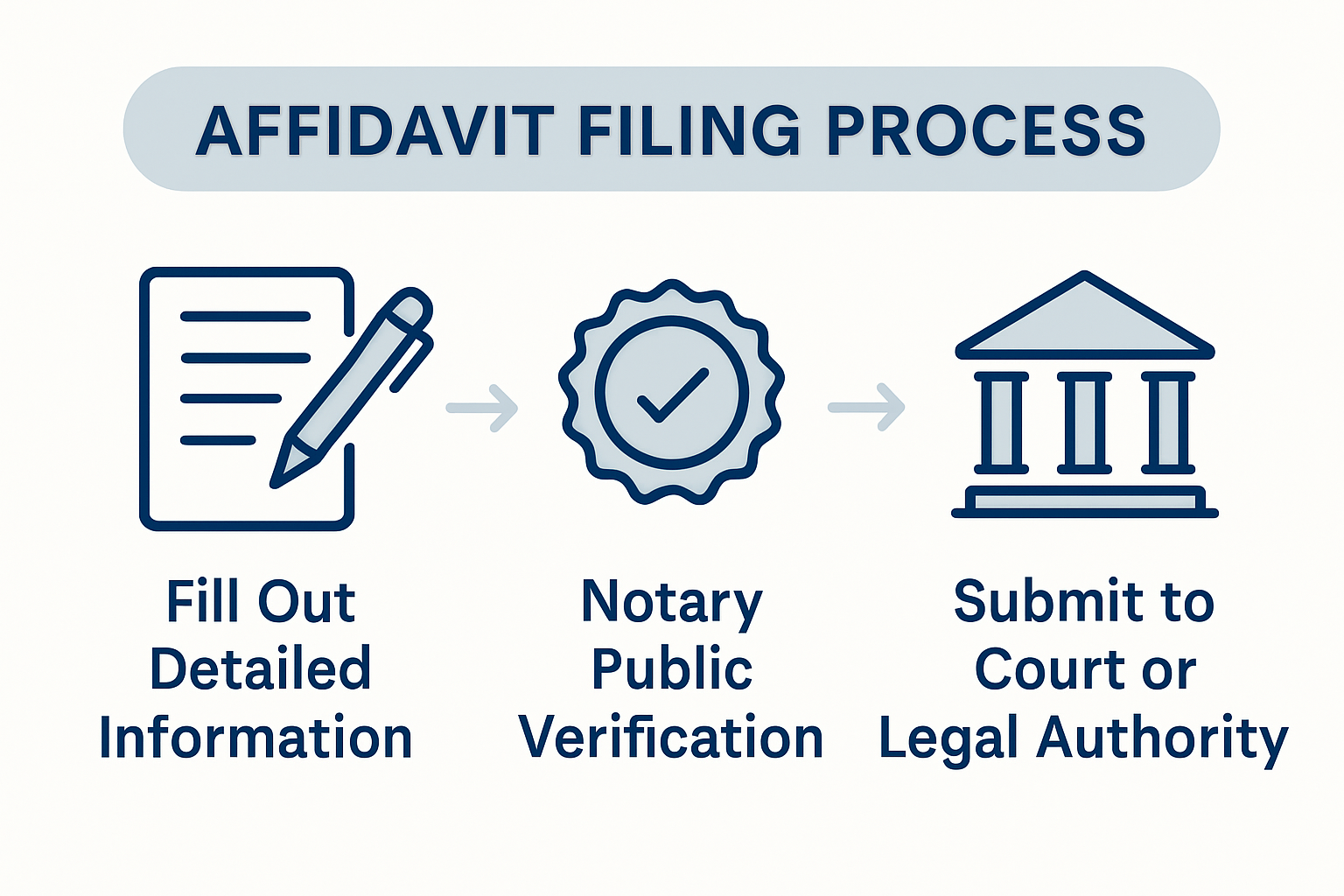
Notarization represents a crucial final step in the affidavit filing process. Legal document delivery requires that the completed affidavit be signed in the presence of a licensed notary public, who will verify the server’s identity and witness the signing. The notary will attach their official seal and signature, transforming the document from a simple written record into a legally binding instrument. Process servers must ensure all signatures are original, all information is typed or clearly written, and no sections are left blank or incomplete.
Filing the completed affidavit demands equal care and attention. Depending on the specific legal jurisdiction, process servers may need to file the document with the court clerk, the requesting attorney, or maintain it in their own professional records. Multiple copies are typically required, with each copy needing to be identical and containing original signatures. The careful management of these documents ensures a clear, verifiable record of service that can withstand potential legal scrutiny, protecting both the process server and the parties involved in the legal proceeding.
Common Errors and Risks to Avoid
Affidavit preparation requires extreme precision, as even minor errors can compromise the entire legal document. 7 Essential Legal Paperwork Tips highlight the critical nature of avoiding common mistakes that could invalidate a process server’s documentation. Process servers must recognize that seemingly insignificant errors can result in serious professional and legal consequences.
One of the most significant risks involves misrepresentation or inaccurate reporting. Legal guidelines strictly prohibit making false statements in an affidavit, with potential consequences including professional license suspension or revocation. Common errors include providing incomplete personal information, incorrectly documenting service details, failing to include precise location and time of service, or misidentifying the recipient. Process servers must meticulously verify every detail, ensuring that each statement can be independently confirmed and stands up to potential legal scrutiny.
Technical errors can also undermine the validity of a service affidavit. These might include using incorrect legal terminology, omitting required professional license numbers, failing to obtain proper notarization, or submitting documents with incomplete or illegible information. Each of these mistakes can render an affidavit inadmissible, potentially jeopardizing the entire legal process. Process servers must develop a systematic approach to document preparation, double-checking every element and maintaining the highest standards of professional documentation.
The risks extend beyond immediate document rejection. Inaccurate or fraudulent affidavits can lead to severe professional repercussions, including potential legal action, loss of professional credentials, and damage to professional reputation. Process servers must approach each document with the understanding that their work directly impacts judicial proceedings. Maintaining meticulous records, following strict documentation protocols, and approaching each service with unwavering attention to detail are the most effective strategies for avoiding these potentially devastating professional and legal risks.
Ensure Your Legal Document Service Meets Compliance and Precision
Understanding the critical role of a process server’s affidavit means recognizing the need for absolute accuracy and legal compliance in every detail. If you have struggled with completing a valid affidavit of service or worry about avoiding common errors that could jeopardize your case, you are not alone. The affidavit is more than just paperwork it is the key evidence that guarantees your legal documents were served properly and can withstand legal scrutiny.
At YM Doc Services, we specialize in helping you navigate these challenges with ease. Our team of certified process servers ensures every affidavit is meticulously prepared, signed, and notarized according to the highest legal compliance process serving standards. We focus on reliability and timeliness so you can trust that your legal notifications reach the right parties without delay or dispute. Whether you need professional assistance with service or want to learn more about legal document delivery protocols, we stand ready to support your legal process efficiently.
Don’t risk costly setbacks with incomplete or inaccurate affidavits. Take control of your legal document services now by visiting YM Doc Services and start streamlining your process serving with trusted experts who put compliance first. Accurate affidavits and timely service mean peace of mind for you and your clients.
Frequently Asked Questions
What is the purpose of a process server’s affidavit?
A process server’s affidavit serves as formal documentation that confirms the official delivery of legal documents to an individual or entity, providing proof of service in legal proceedings.
What key elements are included in a process server’s affidavit?
A valid affidavit typically includes the process server’s name and credentials, the name and physical description of the person served, the exact date, time, and location of service, and a detailed account of how the documents were delivered.
Why is notarization important for a process server’s affidavit?
Notarization is crucial because it transforms the affidavit into a legally binding document. It confirms the identity of the process server and ensures that the affidavit can stand up to legal scrutiny.
What are common errors to avoid when preparing a process server’s affidavit?
Common errors include providing incomplete or inaccurate information, failing to notarize the document, and omitting required professional license numbers. These mistakes can invalidate the affidavit and jeopardize legal proceedings.
Recommended
- Complete Guide to the Role of Process Server – YM Doc Services
- What Is Process Server Compliance? Complete Overview – YM Doc Services
- Certified Process Servers: Everything You Need to Know – YM Doc Services
- Process Server vs. Courier: Key Legal Differences Explained – YM Doc Services
We provide GPS-stamped, court-compliant service of process throughout Orange County, Seminole County, and West Volusia County. Licensed Florida process server — FAPPS Member · NAPPS Member · Florida Statutes Chapter 48 Compliant.