
Most american organizations rely on digital systems to manage sensitive paperwork, yet mistakes still happen. Studies show that a single error in legal document delivery can result in lost cases or court sanctions for nearly 30 percent of law firms each year. Understanding how document servers work is crucial for anyone dealing with confidential files. This guide sheds light on the essential role of document servers, helping you handle business and legal documents accurately and securely.
Table of Contents
- What Is a Document Server and What They Do
- Types of Document Servers and Service Areas
- Legal Requirements and Compliance Standards
- Benefits of Professional Document Serving
- Risks, Costs, and Common Mistakes
Key Takeaways
| Point | Details |
|---|---|
| Document servers enhance efficiency | They centralize document management, enabling rapid document sharing and storage in various formats. |
| Legal compliance is critical | Adherence to procedural standards in document serving assures due process and reduces legal risks. |
| Professional servers mitigate risks | Utilizing certified professionals minimizes errors and protects against costly legal complications. |
| Costs of mistakes can be high | Errors in document serving may lead to significant financial repercussions and reputational damage. |
What Is a Document Server and What They Do
A document server is a specialized digital system designed to streamline document management, storage, and distribution across professional networks. These sophisticated platforms enable organizations to centralize document handling with unprecedented efficiency, transforming how businesses and legal professionals manage critical paperwork.
At its core, a document server functions as a dedicated digital infrastructure that connects scanning devices, networks, and storage systems. Specialized document management systems support multiple file formats including PDF, TIFF, JPEG, and PCL, allowing seamless scanning, sharing, and storing of digitized documents. Professionals can rapidly distribute documents to various destinations such as email addresses, printers, file servers, and web directories.
Document servers provide critical advantages for legal professionals and businesses, offering robust features like:
- Centralized document repository
- Advanced search capabilities
- Secure file storage and access management
- Multi-format file support
- Network-wide document distribution
- Enhanced collaboration tools
In legal settings, these servers become essential tools for managing complex documentation workflows. Legal document delivery services leverage document servers to ensure precise, secure, and rapid information transfer, enabling attorneys and firms to maintain meticulous records while dramatically reducing administrative overhead.
Types of Document Servers and Service Areas
Document servers are sophisticated digital systems with specialized functions designed to manage information across professional environments. Process servers play a critical role in organizing and distributing digital documentation efficiently across various network infrastructures.
Research indicates that document servers can be categorized into distinct types based on their specific operational functions. These primary categories include:
- File Servers: Store and manage digital documents
- Print Servers: Handle and coordinate print job distributions
- Mail Servers: Manage email communications and document transmissions
- Application Servers: Support specialized document processing tasks
Each type of document server serves a unique purpose in professional document management. Legal document delivery services leverage these specialized servers to ensure precise, secure, and rapid information transfer across complex organizational networks. By utilizing targeted server infrastructures, businesses and legal professionals can dramatically enhance their document handling capabilities, reduce administrative overhead, and maintain meticulous record-keeping standards.
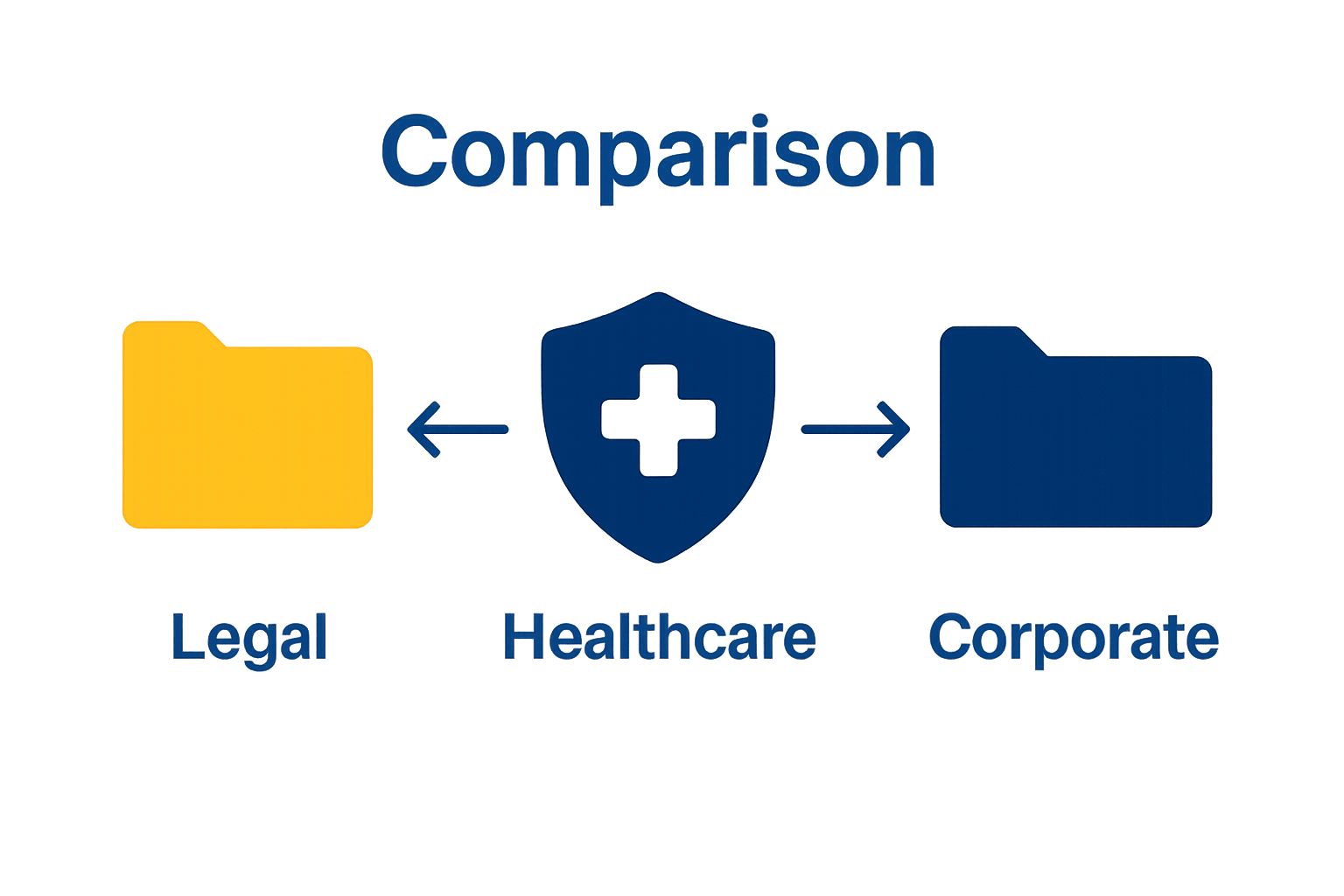
The service areas for document servers extend across multiple professional domains, including legal firms, healthcare organizations, government agencies, educational institutions, and corporate enterprises. These servers provide critical infrastructure for managing sensitive information, ensuring compliance, facilitating secure document sharing, and supporting efficient workflow management across diverse operational environments.
Legal Requirements and Compliance Standards
Legal document servers operate within a complex regulatory landscape that demands strict adherence to procedural standards. Legal compliance in process serving requires meticulous attention to detail and understanding of judicial expectations.
Handling legal documents involves critical procedural requirements that protect individual rights and ensure fair legal processes. Proper service of legal documents is essential, as failure to comply with established standards can result in significant legal consequences, including:
- Potential dismissal of legal cases
- Default judgments against parties
- Contempt of court sanctions
- Compromised due process protections
The service of critical legal documents like Summons and Complaints must follow specific protocols to uphold due process. Professional document servers must demonstrate precise knowledge of jurisdictional requirements, ensuring that all parties receive formal notification through legally recognized methods. This includes verifying recipient identity, maintaining accurate documentation of service attempts, and preserving the integrity of the legal communication process.
Comprehensive compliance standards mandate that document servers maintain rigorous documentation, implement secure transmission protocols, and consistently update their understanding of evolving legal regulations. By prioritizing accuracy, confidentiality, and procedural precision, professional document servers play a crucial role in maintaining the fundamental principles of justice and ensuring that legal communications are handled with the highest level of professional integrity.
Benefits of Professional Document Serving
Professional document servers provide critical legal support that extends far beyond simple paper delivery. Certified process servers ensure that legal communications are handled with precision, transparency, and strict procedural compliance.
The fundamental role of professional document servers is to guarantee due process by serving as impartial third-party messengers. Their core benefits include:
- Ensuring legal notifications reach intended recipients
- Maintaining a verifiable chain of documentation
- Providing objective, unbiased service confirmation
- Reducing potential legal complications
- Protecting the integrity of judicial proceedings
Professional document servers bring specialized expertise that significantly minimizes risks associated with document delivery. They understand complex jurisdictional requirements, can navigate challenging service scenarios, and provide detailed documentation that stands up to legal scrutiny. This level of professional handling reduces the potential for procedural errors that could potentially derail legal proceedings.

Moreover, these professionals offer strategic advantages for attorneys and organizations by handling time-sensitive legal communications with remarkable efficiency. Why serve legal documents professionally goes beyond mere delivery—it’s about ensuring that every legal communication is executed with maximum reliability, maintaining the fundamental principles of fairness and transparent judicial process.
Risks, Costs, and Common Mistakes
Legal document serving involves complex procedural challenges that can significantly impact case outcomes. Understanding process server compliance is crucial to mitigating potential risks and avoiding costly legal complications.
Common mistakes in document serving can lead to substantial financial and legal consequences:
- Incorrect recipient identification
- Improper documentation of service attempts
- Violating jurisdictional service regulations
- Missing critical notification deadlines
- Failing to provide verifiable proof of service
Legal document workflow management requires meticulous attention to detail. Costs associated with document serving errors can be substantial, potentially including case dismissals, court sanctions, and the need to restart entire legal proceedings. Professional document servers minimize these risks by maintaining rigorous standards of accuracy, adhering to precise legal protocols, and providing comprehensive documentation that withstands judicial scrutiny.
The financial implications of document serving mistakes extend beyond immediate legal costs. Organizations and attorneys can face reputational damage, client dissatisfaction, and potential malpractice claims. By investing in professional document serving services, legal professionals can protect themselves from these significant risks, ensuring that every legal communication is handled with the highest level of precision and professional competence.
Ensure Expert Legal Document Serving with YM Doc Services
Hiring a professional document server is key to navigating the complex legal requirements and strict compliance standards highlighted in the article. With challenges like ensuring proper service, timely delivery, and maintaining meticulous documentation, you need a trusted partner who understands jurisdictional rules and can prevent costly mistakes. YM Doc Services specializes in providing reliable, compliant, and efficient legal document delivery that protects your case integrity and supports a smooth judicial process.
Experience peace of mind knowing these benefits:
- Expert handling of sensitive legal documents
- Certified process servers well-versed in all procedural rules
- Transparent and verifiable proof of service
Bridge the gap between legal complexity and seamless document serving with professional legal document service.
Don’t risk case delays or dismissal due to improper document serving. Visit YM Doc Services now to place your order and secure trustworthy process serving backed by expertise and precision. You can also learn more about why certified process servers are essential or explore our comprehensive legal document delivery solutions to streamline your legal workflow today.
Frequently Asked Questions
What is a document server?
A document server is a specialized digital system designed to manage, store, and distribute documents across professional networks. It centralizes document handling, enabling efficient workflows and secure information transfer.
What are the main benefits of hiring a professional document server?
Hiring a professional document server ensures due process, reduces potential legal complications, and provides expertise in navigating complex jurisdictional requirements. They also maintain a verifiable chain of documentation and handle time-sensitive communications effectively.
What types of document servers exist?
Document servers can be categorized into several types, including file servers for document storage, print servers for managing print jobs, mail servers for email communication, and application servers for specialized document processing tasks.
How do document servers enhance legal compliance?
Document servers enhance legal compliance by ensuring meticulous attention to detail in handling legal documents. They follow strict procedural standards, maintain accurate documentation of service attempts, and verify recipient identity, thus protecting individual rights and promoting fair legal processes.
Recommended
- 7 Essential Legal Documentation Tips for Every Client – YM Doc Services
- Process Serving for Businesses: Step-by-Step Guide to Compliance – YM Doc Services
- Process Server vs. Courier: Key Legal Differences Explained – YM Doc Services
- Certified Process Servers: Everything You Need to Know – YM Doc Services
We provide GPS-stamped, court-compliant service of process throughout Orange County, Seminole County, and West Volusia County. Licensed Florida process server — FAPPS Member · NAPPS Member · Florida Statutes Chapter 48 Compliant.