Did you know that even a minor mistake by a notary public can result in costly legal challenges or document rejection? With legal documents forming the backbone of major transactions, proper notarization is more than just a formality. Understanding the notary’s responsibilities helps protect your rights, ensure authenticity, and guard against fraud when every signature counts.
Key Takeaways
| Point | Details |
|---|---|
| Role of Notary | Notaries serve as impartial legal witnesses, essential in authenticating and verifying legal documents to ensure transaction integrity. |
| Types of Notarial Acts | Four primary notarial acts include acknowledgment, verification on oath, witnessing signatures, and copy certification, each serving distinct legal purposes. |
| Legal Requirements | Notarization mandates personal appearance, identity verification, and proper certificate completion to maintain document authenticity. |
| Risks and Liabilities | Notaries face significant legal risks, including civil penalties and reputational damage, if proper procedures are not meticulously followed. |
Table of Contents
- Defining The Notary’s Role In Legal Documents
- Types Of Notarial Acts And Their Uses
- U.S. Legal Requirements For Notarization
- Core Notary Functions And Responsibilities
- Risks, Liabilities, And Common Pitfalls
Defining the Notary’s Role in Legal Documents
A notary public serves as an impartial legal witness who plays a critical role in authenticating and verifying legal documents. According to the National Notary Association, notaries are public officers specifically authorized by state law to perform official notarial acts that help maintain the integrity of legal transactions.
At its core, a notarial act represents a written narration of factual events that is authenticated by the notary’s signature and official seal. As research indicates, this documentation provides critical evidentiary force in court proceedings, effectively transforming a simple document into a legally recognized instrument. Learn more about witnessing legal documents with our comprehensive guide.
Notaries perform several key functions that go beyond mere signature verification. These include:
- Confirming the identity of document signers
- Ensuring signers understand the document’s contents
- Witnessing signatures under voluntary and informed conditions
- Administering oaths and affirmations
- Certifying copies of important documents
By meticulously following professional standards and state regulations, notaries public help prevent fraud, protect individual rights, and maintain the legal system’s reliability and trustworthiness.
Types of Notarial Acts and Their Uses
Notarial acts are specialized legal procedures designed to validate and authenticate various types of documents and signatures. According to the North Dakota Secretary of State, there are four primary official notarial acts that serve distinct legal purposes, each playing a crucial role in maintaining document integrity and legal reliability explore our local notary services.
The four primary types of notarial acts include:
Here’s a comparison of the four primary notarial acts and their main uses:
| Notarial Act | Primary Purpose | Common Documents |
|---|---|---|
| Acknowledgment | Confirm voluntary signing | Property deeds Powers of attorney |
| Verification on Oath/Affirmation | Attest to truthfulness of statements | Affidavits Sworn declarations |
| Witnessing/Attesting Signatures | Verify identity and signature | Contracts Agreements |
| Copy Certification | Certify true copies of originals | Passports Diplomas |
- Acknowledgment: Confirming that a person signed a document voluntarily and willingly
- Verification on Oath or Affirmation: Requiring individuals to swear or affirm the truthfulness of a statement
- Witnessing/Attesting Signatures: Verifying the identity of individuals signing documents and confirming their signature
- Copy Certification: Validating that a copy of an original document is accurate and true
Each of these acts serves a unique function in the legal landscape. An acknowledgment, for instance, is typically used for documents like property deeds or powers of attorney, where the signer’s voluntary intent must be clearly established. Verification on oath becomes critical in affidavits, sworn statements, and legal declarations where the truthfulness of information is paramount. Signature witnessing ensures that the person signing a document is who they claim to be, adding an extra layer of legal protection against potential fraud.
These notarial acts are not just procedural formalities but essential mechanisms that protect individual rights, prevent legal disputes, and maintain the integrity of important legal transactions.

U.S. Legal Requirements for Notarization
Notarization in the United States involves a complex set of legal requirements designed to ensure document authenticity and prevent fraud. According to U.S. legal standards, notaries public are specifically authorized to administer oaths, take affirmations, and process affidavits and acknowledgments learn more about compliant legal document delivery.
The critical legal requirements for notarization typically include:
- Personal Appearance: The document signer must be physically present before the notary
- Identity Verification: Notaries must confirm the signer’s identity through government-issued photo identification
- Willingness and Awareness: Signers must demonstrate they are signing documents voluntarily and understand their contents
- Proper Certificate Completion: Notaries must use state-approved notarial certificate forms
State-specific regulations add additional layers of complexity to the notarization process. Some key restrictions include prohibitions on notarizing documents where the notary has a direct financial interest and limitations on certifying certain official documents like birth certificates. Notaries must carefully follow these guidelines to maintain the legal validity of their actions.
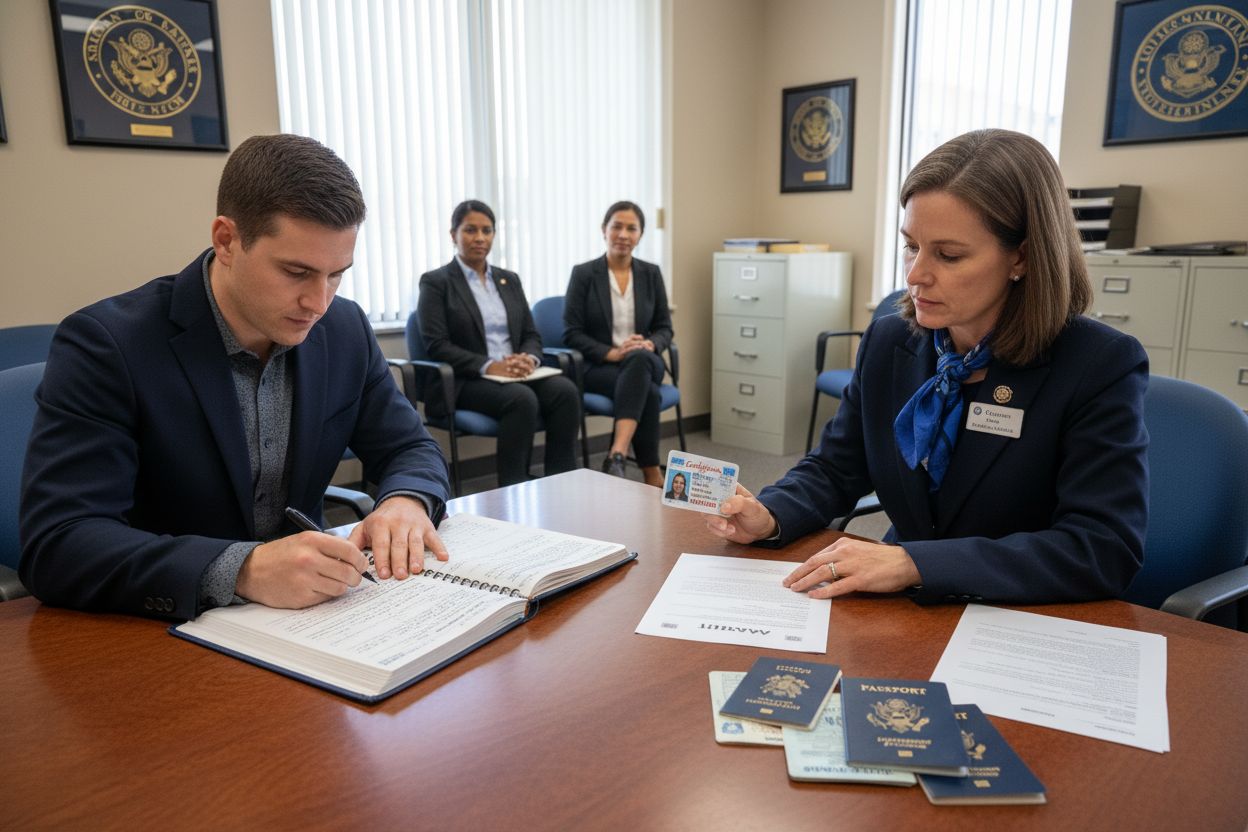
The fundamental purpose of these stringent requirements is to create a reliable system of document authentication. By ensuring that signatures are genuine, signers are who they claim to be, and documents are executed voluntarily, notaries play a crucial role in maintaining the integrity of legal and business transactions across the United States.
Core Notary Functions and Responsibilities
Notaries are critical legal professionals who serve as impartial witnesses in document authentication and verification processes. According to the National Notary Association, these professionals play a pivotal role in maintaining legal integrity through carefully defined professional standards and practices learn more about our comprehensive document services.
The core functions of a notary typically encompass several key responsibilities:
- Identity Verification: Confirming the true identity of document signers
- Signature Witnessing: Attesting that signatures are genuine and voluntary
- Oath Administration: Administering legally binding oaths and affirmations
- Document Certification: Ensuring proper completion of notarial certificates
- Fraud Prevention: Protecting against potential misrepresentation or coercion
A notary’s primary objective is to serve as an unbiased guardian of legal document authenticity. According to research from the North Dakota Secretary of State, this involves meticulously verifying each signer’s willingness, understanding, and legal capacity to execute documents. Notaries must maintain strict neutrality, carefully following established protocols to validate the legitimacy of signatures and document execution.
Beyond individual document transactions, notaries contribute to the broader legal ecosystem by upholding professional standards that protect individual rights and maintain the integrity of legal and business interactions. Their role requires a combination of legal knowledge, attention to detail, and unwavering ethical commitment.
Risks, Liabilities, and Common Pitfalls
Notarial work involves significant legal responsibilities that can expose professionals to substantial risks if proper procedures are not meticulously followed. According to research on notary liability, failing to adhere to established protocols can result in severe consequences, including civil penalties, criminal charges, and potential commission revocation explore our comprehensive legal document delivery guide.
Common pitfalls that notaries must carefully navigate include:
- Inadequate Identity Verification: Accepting insufficient proof of signer’s identity
- Incomplete Document Certificates: Failing to properly complete notarial certificates
- Conflict of Interest: Notarizing documents where personal financial interests exist
- Expired Commissions: Performing notarial acts with an invalid or expired notary commission
- Improper Oath Administration: Incorrectly administering or documenting oaths
Continuous professional education emerges as a critical strategy for mitigating these risks. Research indicates that ongoing training helps notaries stay current with legislative changes, understand evolving best practices, and significantly reduce their potential liability exposure. Notaries who invest in regular skill updates and maintain a thorough understanding of legal requirements can protect themselves and their clients from potential legal complications.
Ultimately, the stakes are high. A single careless notarization can lead to damaged legal documents, financial losses, and professional repercussions. Successful notaries must combine meticulous attention to detail, unwavering ethical standards, and a commitment to ongoing professional development to navigate the complex landscape of legal document authentication.
Secure Your Legal Documents With Confidence Today
Struggling to keep your legal documents compliant, authentic, and protected from costly mistakes or missed deadlines? Our article explained how professional notarial acts like acknowledgments and copy certifications can prevent fraud and protect your legal rights. But even when you know the requirements, organizing notary services, retrieving court documents, or getting urgent filings completed can feel overwhelming.

At YM Doc Services, we are your trusted partner for every step in the document management process. Our team ensures your documents are handled with strict attention to evidentiary standards and compliance. Explore our notary solutions or visit our landing page to see how we deliver timely, reliable, and fully compliant support for all your legal needs. Let us streamline your next transaction. Contact us now and avoid the risks of delay or error.
Frequently Asked Questions
What is the role of a notary public in legal documents?
A notary public serves as an impartial legal witness, authenticating and verifying legal documents, ensuring their integrity and preventing fraud in transactions.
What are the different types of notarial acts?
The four primary types of notarial acts are acknowledgment, verification on oath or affirmation, witnessing/attesting signatures, and copy certification, each serving a distinct legal purpose.
What are the legal requirements for notarization in the United States?
Legal requirements for notarization typically include the personal appearance of the signer, identity verification through government-issued ID, proof of willingness to sign, and proper completion of notarial certificate forms.
What are some common risks and liabilities associated with being a notary?
Common risks include inadequate identity verification, incomplete document certificates, conflicts of interest, operating with an expired commission, and improper oath administration. Continuous education can help mitigate these risks.