
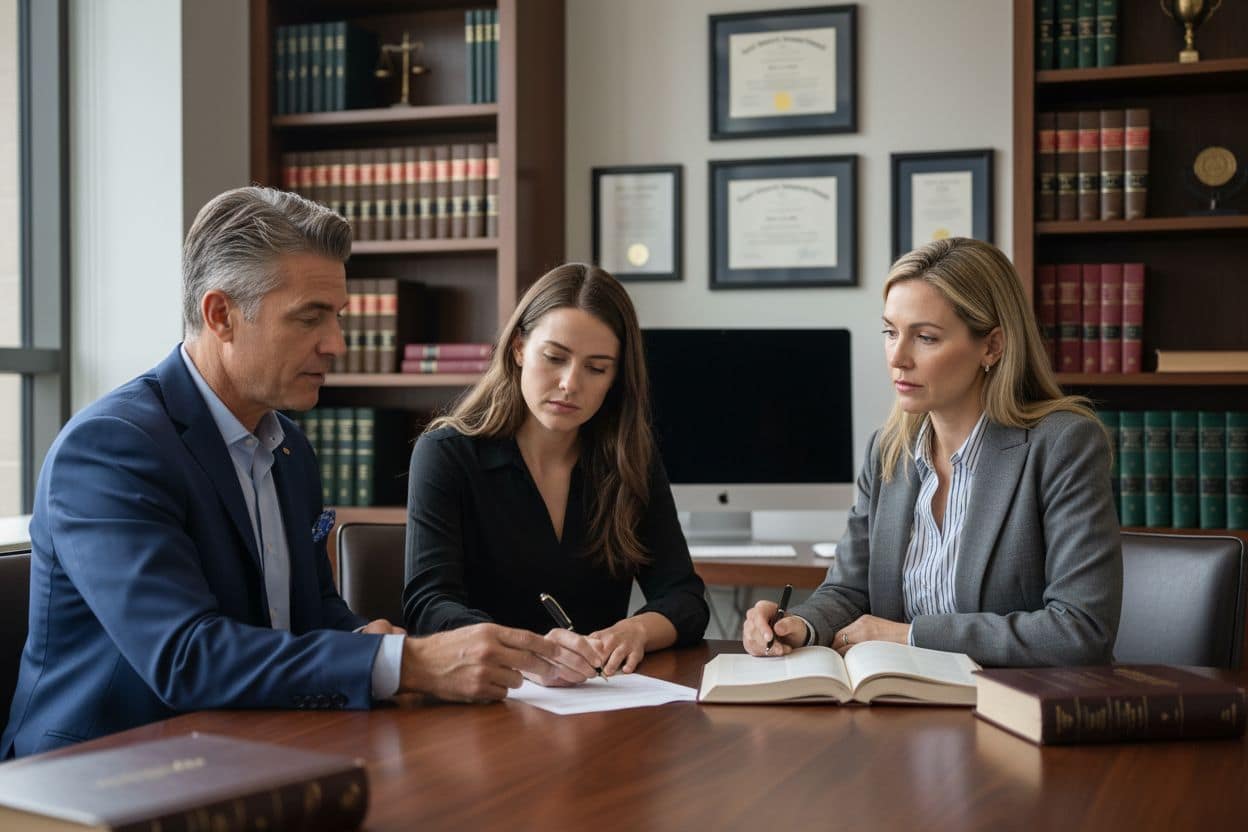
Did you know that a single mistake in witnessing legal documents can lead to them being rejected in court? Whether you are signing a will, a property deed, or a power of attorney, the role of a witness shapes the legal strength of your paperwork. Understanding who qualifies as a witness and what mistakes to avoid can make the difference between a valid agreement and a costly legal dispute.
Key Takeaways
| Point | Details |
|---|---|
| Importance of Witnesses | Witnesses provide crucial validation during document signing, confirming authenticity and voluntary execution to deter fraud. |
| Types of Documents | Key legal documents such as wills and real estate transactions typically require witnesses for validity across various jurisdictions. |
| Eligibility Criteria | Legal witnesses must be at least 18 years old, mentally competent, and disinterested parties to ensure the integrity of the witnessing process. |
| Common Pitfalls | Mistakes like selecting interested witnesses or failing to observe signing could invalidate documents, emphasizing the need for careful selection and attention. |
Table of Contents
- Definition And Purpose Of Witnessing Legal Documents
- Types Of Documents Requiring Witnesses
- Who Can Serve As A Legal Witness
- U.S. Legal Standards And State Variations
- Responsibilities And Liabilities Of Witnesses
- Mistakes To Avoid When Witnessing Documents
Definition and Purpose of Witnessing Legal Documents
Witnessing legal documents is a critical process that ensures the authenticity and voluntary nature of signature execution. Witnesses play a fundamental role in legal transactions by observing and attesting to the signing of important documents, adding an extra layer of credibility and legal protection.
According to legal research from LegalClarity, a witness serves more than just a procedural function. They personally observe the act of signing and confirm that the document was executed voluntarily, which helps deter potential fraud. Unlike a notary who primarily verifies identity, a witness focuses on validating the signer’s mental capacity and willingness to sign.
Historically, witnesses have been crucial in legal proceedings. As documented in historical records, their presence provides a solemn attestation under potential penalty of perjury. Key purposes of witnessing include:
- Confirming the identity of the document signer
- Verifying the signer’s mental competence
- Providing an independent third-party verification
- Creating a legal record of voluntary document execution
- Reducing potential challenges to document validity
For many legal documents like wills, contracts, and affidavits, having a credible witness can mean the difference between a document being accepted or challenged in legal proceedings. Explore our guide on legal document delivery to understand how professional services can support proper document execution.
Types of Documents Requiring Witnesses
Not all legal documents demand witness signatures, but certain critical documents require witnessing to ensure their legal validity and protect the interests of all parties involved. Witness requirements vary significantly across different types of legal documents and jurisdictions, making it essential to understand which documents specifically need this additional layer of authentication.
According to legal research from LegalClarity, several key document types consistently require witnessing:
-
Real Estate Documents
- Warranty deeds
- Quitclaim deeds
- Grant deeds
- Mortgages
- Deeds of trust
-
Estate Planning Documents
- Wills and codicils
- Powers of attorney
- Advance health care directives
Research from Morgan Legal NY specifically highlights that in states like New York, certain documents have strict witnessing protocols. For instance, durable powers of attorney must be both notarized and witnessed, while wills require proper witnessing to maintain legal validity.
Beyond these standard documents, witnessing can provide an additional layer of legal protection for complex agreements. The presence of witnesses helps confirm voluntary execution, mental competence of the signer, and creates a formal record that can be crucial if the document’s authenticity is ever challenged in legal proceedings. Learn more about our legal document delivery services to ensure your critical documents are handled with utmost professional care.
Who Can Serve as a Legal Witness
Choosing the right witness is more complex than simply finding someone willing to sign a document. Legal witnesses must meet specific criteria to ensure the document’s validity and protect all parties involved in the transaction.
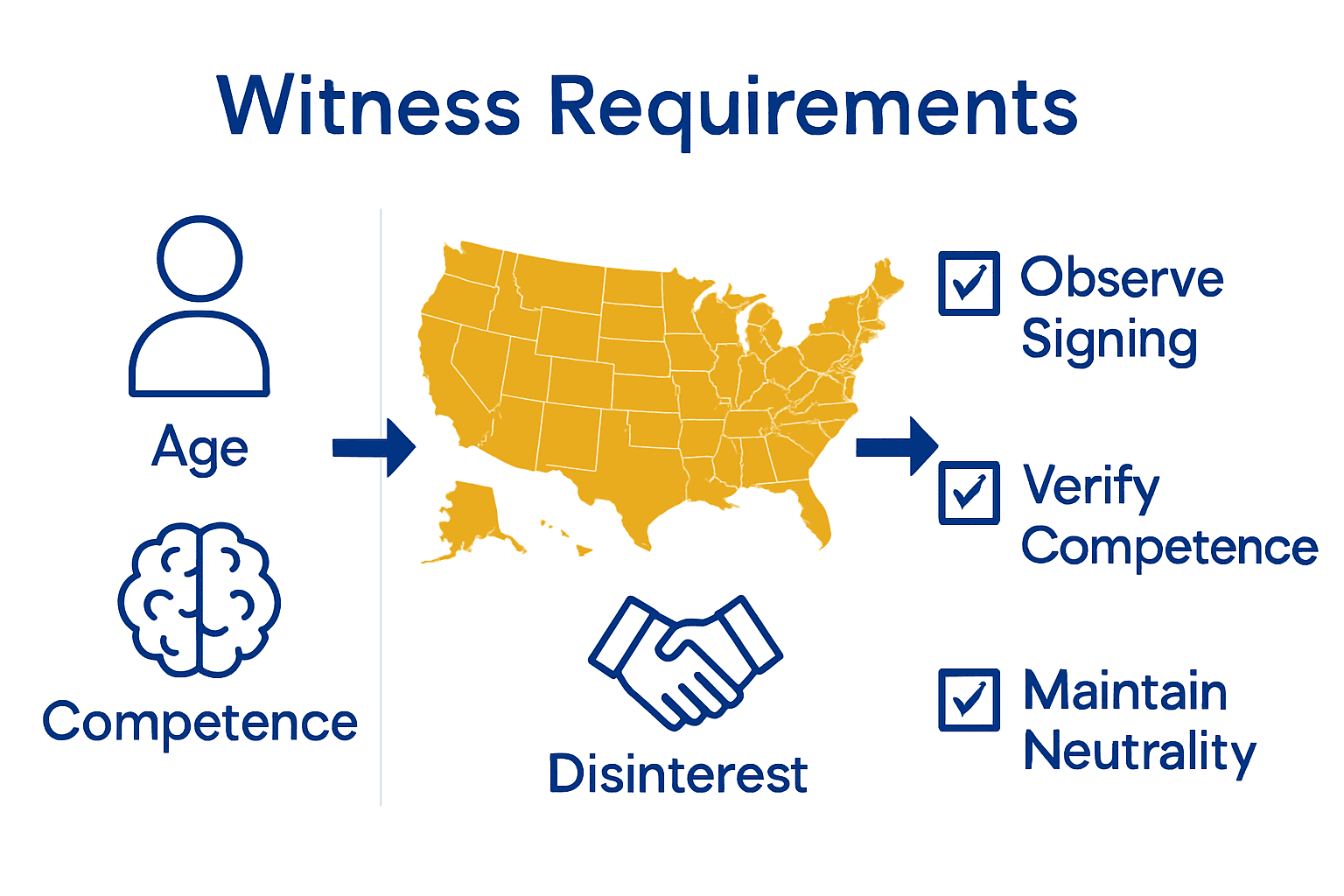
According to research from the Notary Public Association, there are several key qualifications for serving as a legal witness. The fundamental requirements include:
- Being at least 18 years old
- Demonstrating mental competence
- Having no direct financial or personal interest in the document
- Being of sound judgment
- Able to understand the significance of the document being signed
Legal research from LegalClarity emphasizes the importance of being a disinterested party. This means the witness should not be a beneficiary or someone who stands to gain financially or personally from the document’s execution. Typically, this rules out family members, spouses, or individuals directly involved in the transaction.
Professional environments offer reliable witness options. Banks, legal offices, and professional service providers often have staff members who can serve as impartial witnesses. Some organizations maintain trained professionals specifically for document witnessing, ensuring a reliable and objective verification process.
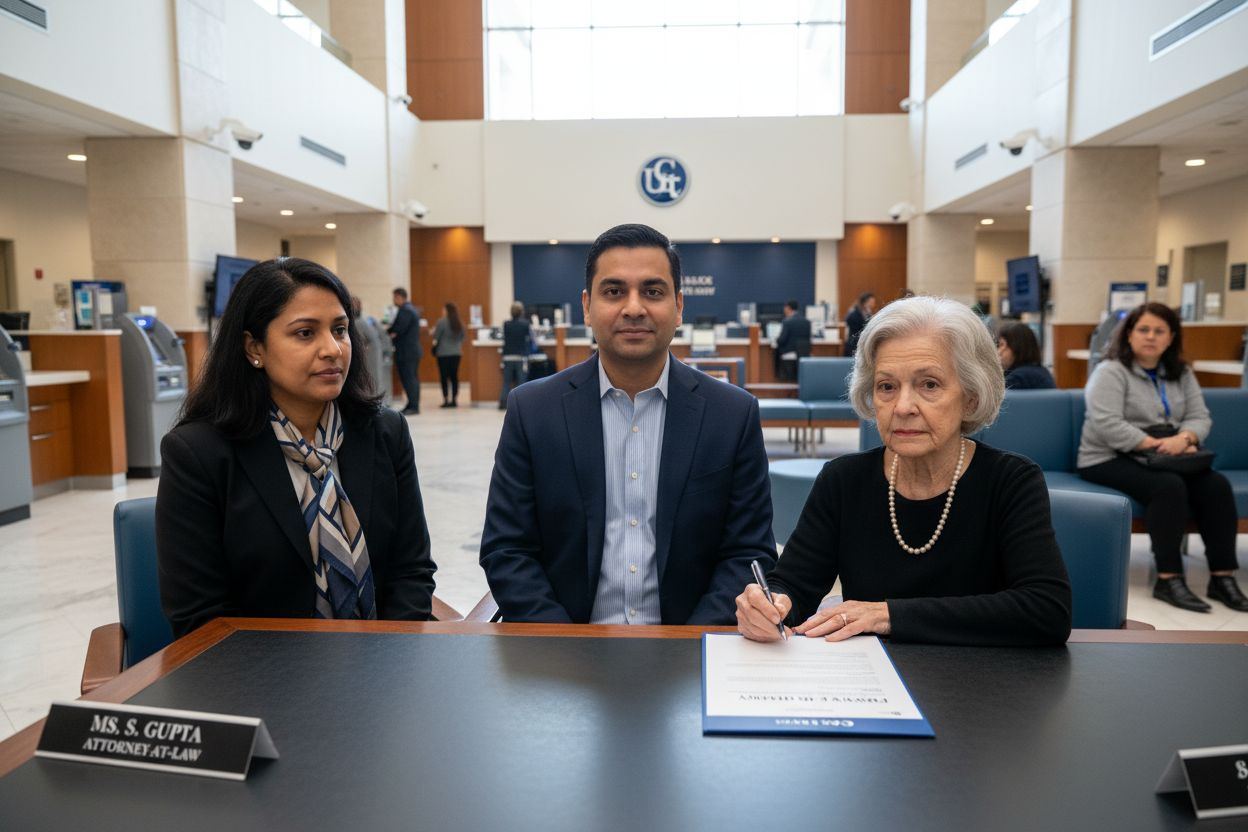 Learn more about our document delivery services to understand how professionals can support your legal documentation needs.
U.S. Legal Standards and State Variations
Understanding legal witness requirements can feel like navigating a complex maze, with each state presenting its own unique set of rules and regulations. Witnessing standards are not uniform across the United States, creating a landscape of legal nuance that demands careful attention and local expertise.
Research from LegalClarity reveals the intricate nature of witness requirements across different jurisdictions. While most states share common foundational principles, critical variations emerge in key areas:
- Number of required witnesses (one vs. two)
- Age and mental competency requirements
- Specific rules for remote notarization
- Document-specific witnessing protocols
- Restrictions on who can serve as a witness
Morgan Legal NY’s research provides a concrete example of state-specific complexity. In New York, estate planning documents like durable powers of attorney and wills have precise witnessing requirements. The presence of a proper attestation clause becomes crucial in demonstrating that document execution meets state-specific legal standards.
Navigating these variations requires professional guidance. While general principles remain consistent, the devil is truly in the details.
VIDEO:video_content] [Explore our legal document delivery guide to understand how professional services can help you successfully navigate these complex legal landscapes and ensure your documents meet all necessary state requirements.
Here’s a comparison of common requirements for legal witnesses across the U.S.:
| Requirement | Most States | Notable Variations |
|---|---|---|
| Minimum Age | 18+ | Some require 19+ |
| Mental Competence | Required | Strict proof in some states |
| Disinterested Party | Yes | Some allow family in rare cases |
| Number of Witnesses Needed | 1-2 | Wills may require 2 |
| Notary as Witness | Sometimes allowed | Prohibited in some states |
| Remote Witnessing | Allowed with conditions | Restricted in some states |
Responsibilities and Liabilities of Witnesses
Being a witness involves more than simply signing a document. Legal witnesses bear significant responsibilities that extend far beyond the moment of signature, potentially involving future legal proceedings and personal accountability.
Research from LegalClarity outlines the core responsibilities of a witness, which include:
- Personally observing the document signing
- Confirming the signer appears mentally competent
- Verifying the signer’s voluntary participation
- Maintaining personal credibility for potential future testimony
- Ensuring no coercion or undue influence occurred
Historically, as documented in testimony research, witnesses serve a critical evidentiary function. They may be called upon to testify under penalty of perjury about the circumstances of document execution. This means a witness must be prepared to potentially appear in court and provide truthful, accurate testimony about what they observed during the signing.
The potential legal implications underscore the importance of taking the witnessing role seriously. A witness who fails to accurately report their observations or who participates in fraudulent documentation could face significant legal consequences. Witnesses must remain objective, attentive, and committed to preserving the integrity of legal documents. Learn more about professional document handling services to understand how experts navigate these complex legal responsibilities.
Mistakes to Avoid When Witnessing DocumentsWitnessing legal documents might seem straightforward, but several critical mistakes can invalidate an entire document or create significant legal complications. Witness errors can transform a seemingly simple signing into a complex legal nightmare.
Research from LegalClarity reveals one of the most significant pitfalls: using an interested witness. This means selecting a person who stands to benefit from the document, such as a beneficiary. In many jurisdictions, such a choice can:
- Automatically invalidate the document
- Potentially ‘purge’ benefits for the interested witness
- Create legal challenges to the document’s validity
- Introduce unnecessary complexity to legal proceedings
Another crucial research insight highlights a common misconception about notaries. Many people assume a notary can always serve as a witness, but state laws vary significantly. In some jurisdictions, serving dual roles as both notary and witness is explicitly prohibited to prevent conflicts of interest.
Additional mistakes to avoid include failing to personally observe the signing, not verifying the signer’s mental competence, and not maintaining personal objectivity. Witnesses must be alert, attentive, and committed to maintaining the document’s legal integrity. Check out our essential legal document process tips to ensure you navigate these complex requirements successfully.
Remove the Stress from Witnessing Legal Documents: Rely on the Experts
Navigating the legal requirements for witnessing documents can feel overwhelming. With so many details to consider, such as selecting qualified witnesses, following state-specific protocols, and avoiding critical mistakes, a single error could compromise the validity of your important paperwork. If you are concerned about missing a step or are worried about legal challenges mentioned in our guide on legal document delivery, you are not alone. Many people share this anxiety when handling wills, powers of attorney, or property transfers.

Partner with YM Doc Services to take the uncertainty out of your legal process. Our professional team understands the importance of accuracy, compliance, and reliability. We offer trusted legal document delivery support to ensure your documents are executed and delivered correctly every time.
Ready to protect your important agreements? Visit YM Doc Services today for fast, compliant, and worry-free legal assistance. Take control now so your documents are valid and enforceable when it matters most.
Frequently Asked Questions
What is the purpose of witnessing legal documents?
Witnessing legal documents serves to ensure the authenticity and voluntary nature of signatures. Witnesses confirm the mental competence of signers, observe the signing process, and provide independent verification that can deter potential fraud.
What types of documents typically require witnesses?
Key legal documents that commonly require witnessing include real estate documents (like deeds and mortgages), estate planning documents (such as wills and powers of attorney), and certain complex agreements to provide legal protection.
Who can serve as a legal witness for documents?
A legal witness must be at least 18 years old, be mentally competent, and have no financial or personal interest in the document. Disinterested parties are preferred, meaning individuals who do not benefit from the document’s execution.
What are some common mistakes to avoid when witnessing documents?
Common mistakes include using interested witnesses who stand to benefit from the document, failing to personally observe the signing, not verifying the mental competence of the signer, and neglecting to maintain objectivity throughout the process.
Recommended
- Legal Document Delivery Guide for Timely, Compliant Service – YM Doc Services
- Complete Guide to Legal Document Delivery (US) – YM Doc Services
- 7 Essential Legal Document Process Tips for Smooth Results – YM Doc Services
- Blog – YM Doc Services
- The Role of Notary Public Seals and Stamps in Documentation – My Mobile Notary

