
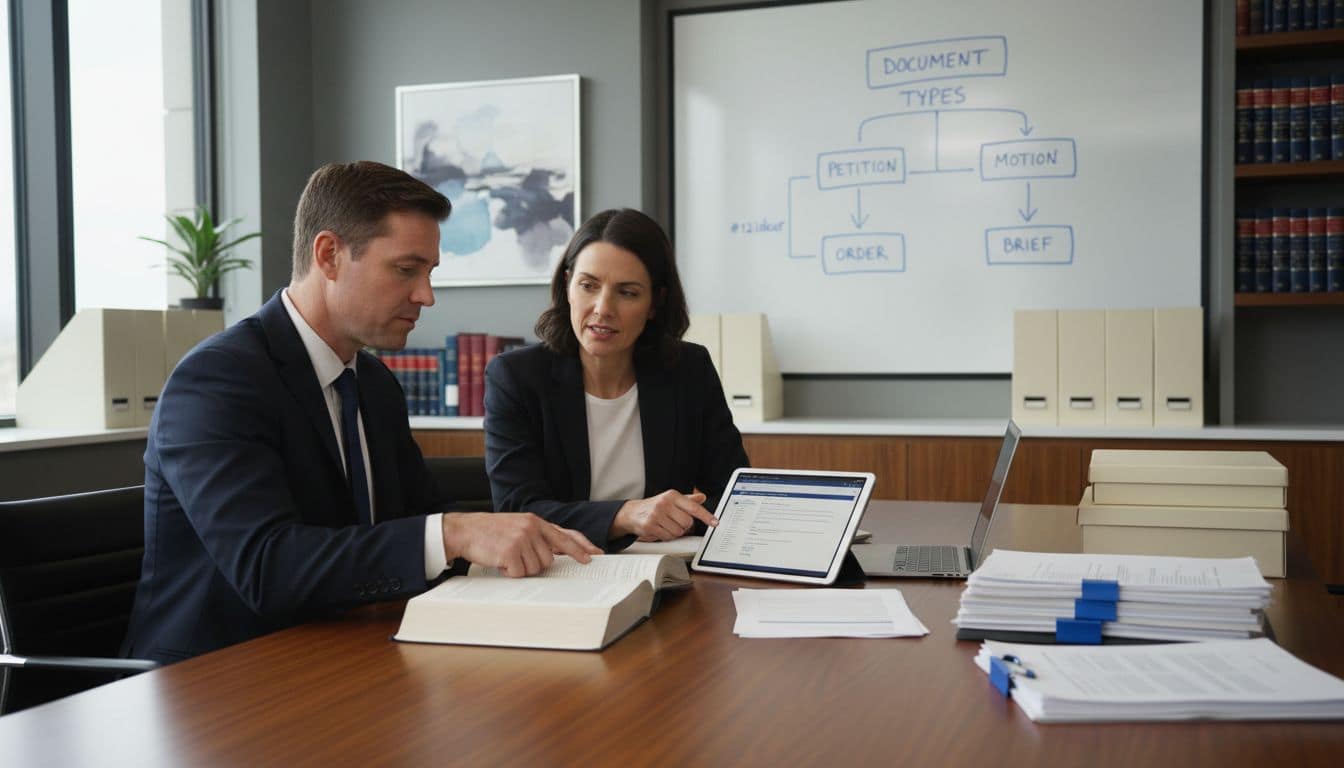
More than 70 percent of legal professionals report delays due to missing or incomplete documents. When every detail matters, having the right paperwork on hand can make or break your case. Knowing exactly how to gather, prepare, and verify legal documents gives you a powerful edge for your legal research or client needs.
Table of Contents
- Step 1: Identify Required Legal Documents And Sources
- Step 2: Prepare Documentation And Client Authorization
- Step 3: Submit Requests To Appropriate Institutions
- Step 4: Track Retrieval Progress And Address Issues
- Step 5: Verify Accuracy And Completeness Of Received Documents
Quick Summary
| Key Point | Explanation |
|---|---|
| 1. Identify Necessary Legal Documents | Determine the specific documents required for your case or research project to ensure effective retrieval. |
| 2. Secure Client Authorization | Prepare and gain client permission for document retrieval, detailing scope and purpose in the authorization form. |
| 3. Submit Requests to Institutions | Follow each institution’s specific submission protocols, including necessary documentation and payment for processing fees. |
| 4. Track Retrieval Process Diligently | Monitor submitted requests, set reminders, and maintain communication to manage the document retrieval effectively. |
| 5. Verify Received Documents Thoroughly | Review documents closely against original requests to ensure accuracy, completeness, and legal validity before use. |
Step 1: Identify required legal documents and sources
Successfully retrieving legal documents starts with pinpointing exactly what you need. In this step, you will learn how to determine the precise legal documents essential for your specific case or research project.
Begin by carefully examining the precise nature of your legal matter. According to Harvard Law Library research, start by determining the specific documents pertinent to your case such as statutes, regulations, or case law. This means understanding whether you need federal records, state documents, court filings, or administrative paperwork.
Utilize primary sources to guarantee accuracy and relevance. The Library of Congress suggests consulting U.S. government resources that provide comprehensive access to federal records and publications. Complete Guide to Legal Document Certification can help you understand document authentication standards.
Consider these strategic document research approaches:
- Review case details thoroughly
- Identify jurisdiction requirements
- Check specific document categories needed
- Verify current versions of legal materials
Pro Tip: Always confirm document requirements with local court clerks or legal professionals to ensure complete accuracy.
Once you have identified the specific documents, you will be ready to move forward with the document retrieval process. The next step involves locating reliable sources and determining the most efficient retrieval method.
Step 2: Prepare documentation and client authorization
Now that you have identified the required legal documents, your next critical step is preparing the necessary documentation and securing client authorization. This phase ensures you have the proper permissions and materials to proceed with legal document retrieval.
According to the South Dakota Unified Judicial System, gathering all relevant information and ensuring client authorizations are essential before diving into legal research. You will want to create a comprehensive documentation package that clearly outlines the specific documents you need to retrieve.
Start by drafting a detailed authorization form that explicitly states:
- The exact documents being requested
- Purpose of document retrieval
- Client signature and consent
- Scope of document access
Research from Lewis and Clark Law Library emphasizes the importance of organizing your research materials and obtaining required client permissions to facilitate a smooth legal research process. Witnessing Legal Documents: Complete U.S. Guide can provide additional insights into proper documentation protocols.
Pro Tip: Always use clear language in authorization documents and ensure clients understand exactly what they are consenting to retrieve.
Ensure all documentation is signed, dated, and includes contact information for both you and your client. This creates a clear paper trail and protects all parties involved in the document retrieval process.
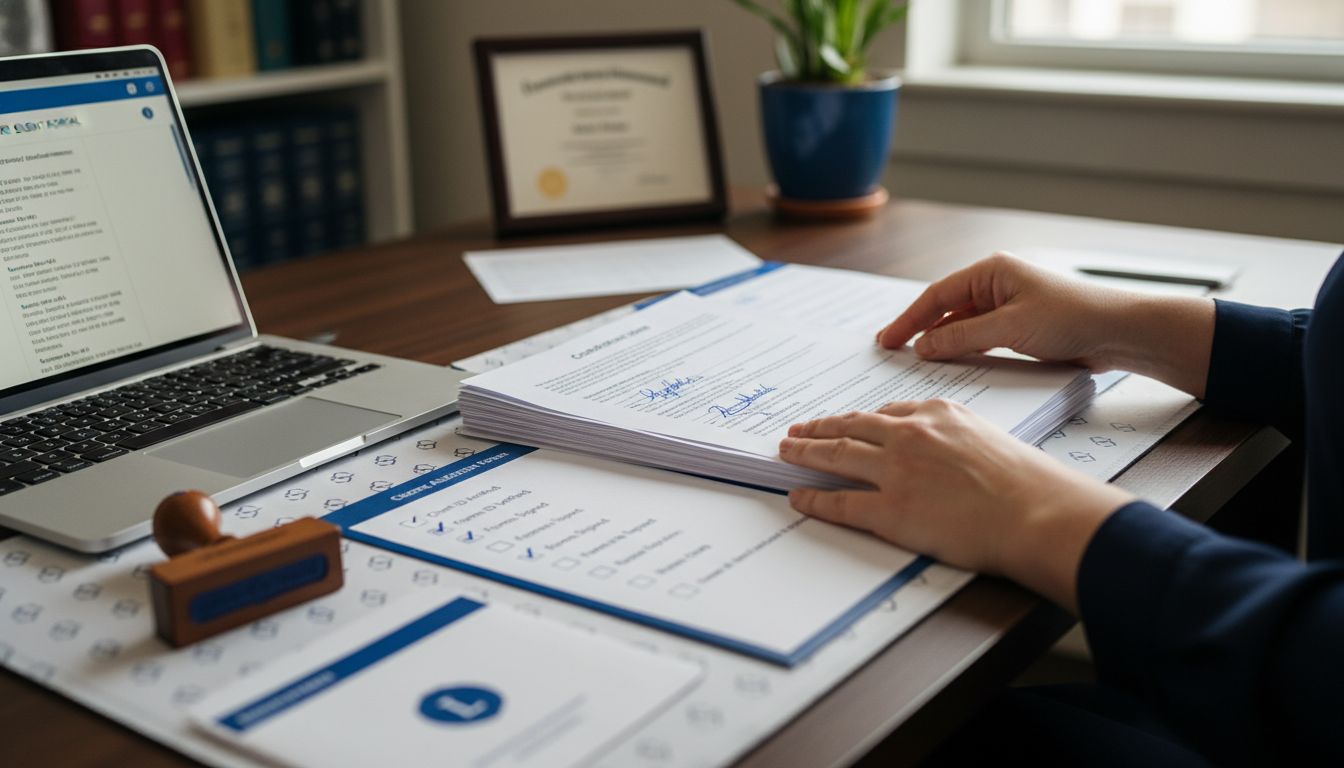
With your documentation prepared and client authorization secured, you are now ready to move forward to the next stage of legal document retrieval.
Step 3: Submit requests to appropriate institutions
After preparing your documentation and securing client authorization, you are now ready to submit requests to the specific institutions holding the legal documents you need. This step requires precision and careful attention to each institution unique submission requirements.
According to the National Archives research guidance, submitting document requests involves following specific procedures for accessing federal records. Each institution typically has its own protocol for document retrieval which may vary depending on the type of document and the agency involved.
Prepare to submit your request by gathering these essential elements:
- Complete client authorization form
- Specific document identification details
- Proof of identity or legal representation
- Payment for potential processing fees
- Preferred method of document delivery
Notary Role in Legal Documents can provide additional guidance on proper documentation authentication. When submitting requests, consider these strategic approaches:
- Contact the institution directly to confirm exact submission requirements
- Use official request forms when available
- Provide clear and concise explanations for your document retrieval
- Include all necessary supporting documentation
Pro Tip: Always maintain copies of your submitted requests and track submission dates to ensure timely follow up.
Different institutions will have varying response times and processing procedures. Some may require online submissions while others might need physical mail or in person requests. Be prepared to adapt your approach based on each specific institutional requirement.
Here’s a summary of document request requirements by institution type:
| Institution Type | Common Requirements | Submission Methods |
|---|---|---|
| Federal Agency | Authorization form Proof of identity Specific request details | Online form In person |
| State Court | Court-specific forms Client consent Payment Attorney credentials | Mail In person |
| County/Local Office | Local request form Identification Contact details | In person |
| Administrative Agency | Specialized forms Supporting documents Legal representation proof | Online |
Once your requests are submitted, you will enter the waiting phase of document retrieval where patience and proactive follow up become key to successful document acquisition.
Step 4: Track retrieval progress and address issues
With your document requests submitted, the next critical phase involves carefully monitoring and managing the retrieval process. Tracking progress systematically helps you stay informed and proactively address any potential challenges that might arise during document acquisition.
According to research from Lewis and Clark Law Library, monitoring document retrieval progress requires careful attention and strategic follow up. You will want to establish a comprehensive tracking system that allows you to keep tabs on each submitted request.
Create a detailed tracking log that includes:
- Institution name
- Document request date
- Expected response timeline
- Current status
- Follow up actions
Research from the University of Florida Law Library emphasizes keeping a meticulous record of your research steps and retrieval progress. Complete Guide to Legal Document Certification can provide additional strategies for document management.
Implement these proactive tracking strategies:
- Set calendar reminders for follow up dates
- Maintain digital and physical copies of all correspondence
- Establish direct communication channels with document repositories
- Be prepared to submit additional information if requested
Pro Tip: Create a standardized communication template for follow up inquiries to streamline your tracking process.
Should you encounter delays or complications, remain professional and persistent. Contact the relevant institution directly, provide all necessary documentation, and seek clear explanations for any unexpected obstacles.
As you navigate the document retrieval process, your systematic approach will help ensure successful acquisition of the required legal materials.
Step 5: Verify accuracy and completeness of received documents
With your requested legal documents now in hand, the critical task of comprehensive verification begins. This step ensures that the retrieved materials precisely match your original research objectives and legal requirements.
According to research from the University of Florida Law Library, thoroughly reviewing received documents is essential to confirm they accurately meet your research needs. A systematic verification approach will help you validate the reliability and comprehensiveness of your materials.
Develop a methodical verification checklist to assess document accuracy:
- Compare documents against original request specifications
- Check document dates for currency and relevance
- Verify all pages are present and legible
- Confirm official stamps and authentication marks
- Cross reference with initial research objectives
Research from Lewis and Clark Law Library emphasizes evaluating retrieved documents by cross referencing them with your initial research goals. 7 Essential Legal Documentation Tips for Every Client provides additional guidance on document validation.
Implement these critical verification strategies:
- Examine document margins and formatting
- Validate institutional source credentials
- Identify any missing or redacted sections
- Assess document comprehensiveness
Pro Tip: When in doubt about document authenticity, contact the issuing institution directly for verification.
Should you discover discrepancies or incomplete documentation, promptly contact the original document repository to request corrections or supplemental materials. Maintaining rigorous standards ensures the legal validity and usefulness of your retrieved documents.
With your documents thoroughly verified, you are now prepared for the final stages of legal document processing and utilization.
Simplify Your Legal Document Retrieval Today
Navigating the complex steps of legal document retrieval can be overwhelming, from identifying exact documents and securing client authorization to submitting requests and verifying authenticity. The detailed process demands precision and patience, but you do not have to face these challenges alone. If you want to eliminate stress and ensure compliance every step of the way, professional support can make all the difference. YM Doc Services understands the critical need for reliability and timeliness in managing your legal documents.
Take control now by partnering with YM Doc Services for efficient legal document retrieval and related services including process serving and court filings. Our expertise helps you avoid common pitfalls like missed deadlines or incomplete paperwork so you can focus on your case. Visit our site for trustworthy solutions that streamline your workflow and provide peace of mind. Get started with us today and experience a smoother legal document management process.
Frequently Asked Questions
What are the first steps in the legal document retrieval process?
To initiate the legal document retrieval process, start by identifying the exact documents you need, such as statutes or case laws. Review your case details, check jurisdiction requirements, and ensure you know the specific categories of documents necessary.
How do I prepare client authorization for document retrieval?
Prepare a clear authorization form detailing the documents requested, the purpose of retrieval, and obtain the client’s signature. Ensure the document includes contact information for both parties and is signed and dated to keep a proper record.
What documentation should I submit with my requests for legal documents?
When submitting requests, include your client authorization form, specific document details, proof of identity, and payment for any processing fees. Organize these elements to ensure a smooth submission process and avoid delays.
How can I effectively track the progress of my document requests?
Establish a tracking log that includes the name of the institution, request date, expected response, and current status. Set calendar reminders for follow-ups and maintain a record of all correspondence to stay informed and proactive in your tracking efforts.
What steps should I take to verify the accuracy of received legal documents?
To verify received documents, compare them against your original request specifications and ensure all pages are complete and legible. Create a verification checklist to confirm document authenticity, such as checking for official stamps or cross-referencing with your research goals.
What should I do if I find discrepancies in the retrieved documents?
Promptly contact the institution that issued the documents to request corrections or additional materials for any discrepancies found. Keeping an accurate record of your communications can help expedite the resolution process.
Recommended
We provide GPS-stamped, court-compliant service of process throughout Orange County, Seminole County, and West Volusia County. Licensed Florida process server — FAPPS Member · NAPPS Member · Florida Statutes Chapter 48 Compliant.