
Most American immigration applicants are surprised to learn that even a small mistake on legal documents can lead to setbacks or denials. Precise paperwork forms the backbone of every American immigration case, affecting everything from initial entry to permanent residency. By understanding what each key document means and why accuracy matters, you gain the tools to protect your status and avoid costly errors on your immigration journey.
Table of Contents
- Defining Legal Documents In Immigration Cases
- Essential Immigration Document Types And Purposes
- Legal Requirements And Filing Standards
- Consequences Of Incomplete Or Incorrect Documents
- Best Practices For Handling Immigration Documents
Key Takeaways
| Point | Details |
|---|---|
| Importance of Legal Documents | Legal documents are essential for validating identity and immigration status, influencing residency and citizenship opportunities. |
| Types of Immigration Documents | Key document types include visas, green cards, and naturalization certificates, each serving distinct legal purposes. |
| Consequences of Errors | Inaccurate or incomplete documentation can lead to application denials or serious legal repercussions, emphasizing the need for precision. |
| Best Practices for Document Management | A systematic approach to preparing and reviewing immigration documents aids in minimizing errors and enhancing submission success. |
Defining Legal Documents in Immigration Cases
Legal documents serve as the critical foundation for navigating the complex landscape of U.S. immigration processes. These critical paperwork artifacts are official records that validate an individual’s identity, legal status, and eligibility for entry, residence, or citizenship. Understanding the nuanced roles of immigration legal documents requires careful examination of their specific purposes and legal implications.
Immigration legal documents typically encompass several key categories that are essential for demonstrating an individual’s legal standing. These include passport documents, visa applications, naturalization certificates, green cards, and immigration petitions. Each document serves a unique function within the broader immigration framework. For instance, a passport establishes international identity, while a green card confirms permanent resident status in the United States.
The procedural significance of these documents cannot be overstated. Immigration authorities meticulously review each submitted document to verify authenticity, track an individual’s legal journey, and make critical decisions about residency, work permissions, and potential pathways to citizenship. Comprehensive immigration law resources emphasize that even minor discrepancies in these legal documents can significantly impact an individual’s immigration status and potential future opportunities in the United States.
Essential Immigration Document Types and Purposes
Immigration documents are complex legal instruments that authorize an individual’s entry, stay, and potential transition within the United States. Comprehensive immigration document classifications reveal a nuanced framework of documentation essential for legal movement and status verification. These documents serve as critical evidence of an individual’s legal rights, permissions, and ongoing immigration journey.
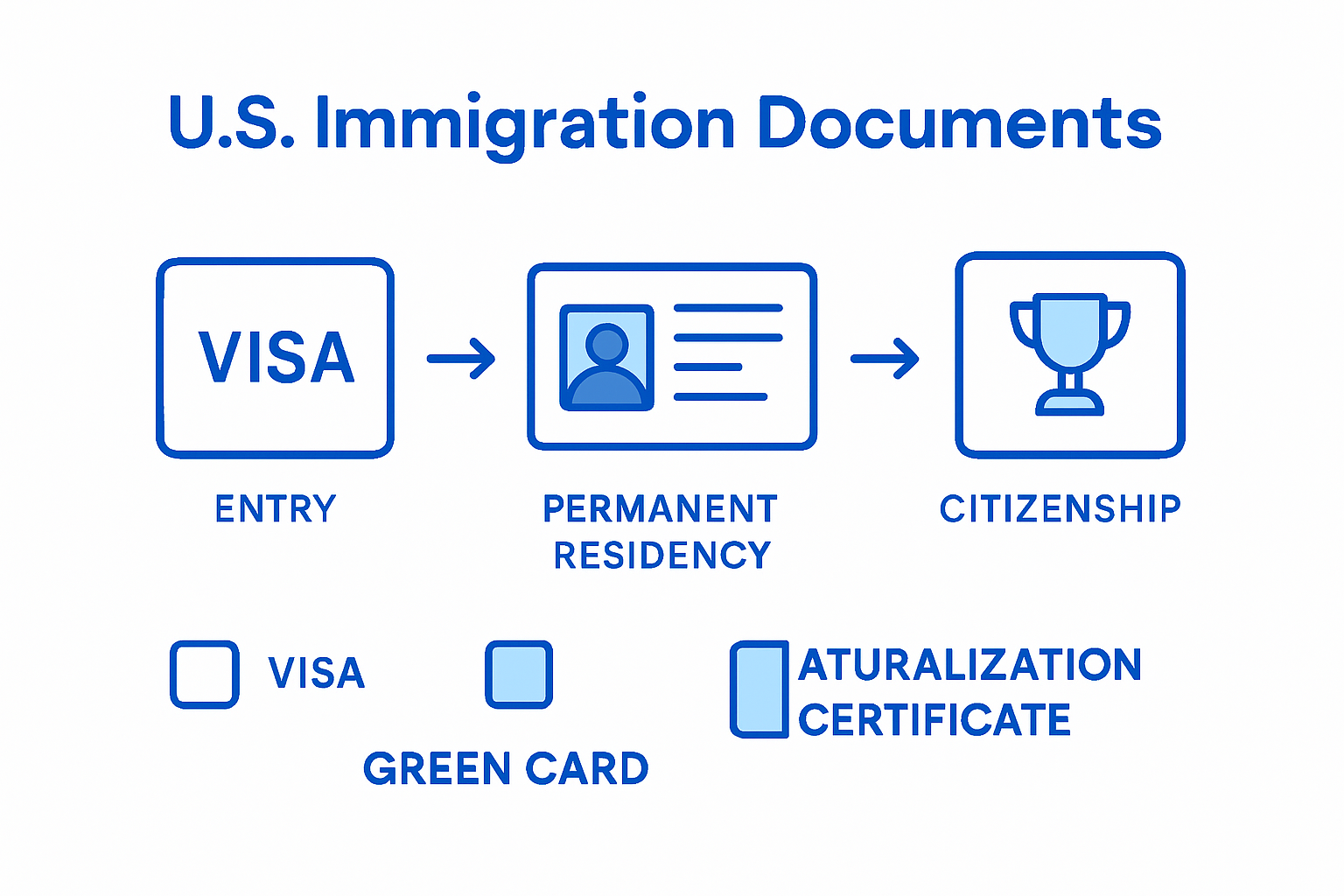
The primary types of immigration documents include nonimmigrant visas, immigrant visas, work permits, green cards, and naturalization certificates. Each document type carries specific legal implications and requirements. Nonimmigrant visas, for instance, permit temporary entry for purposes like tourism, business, study, or temporary work. Immigrant visas represent the first step toward permanent residency, granting individuals the ability to live and work permanently in the United States.
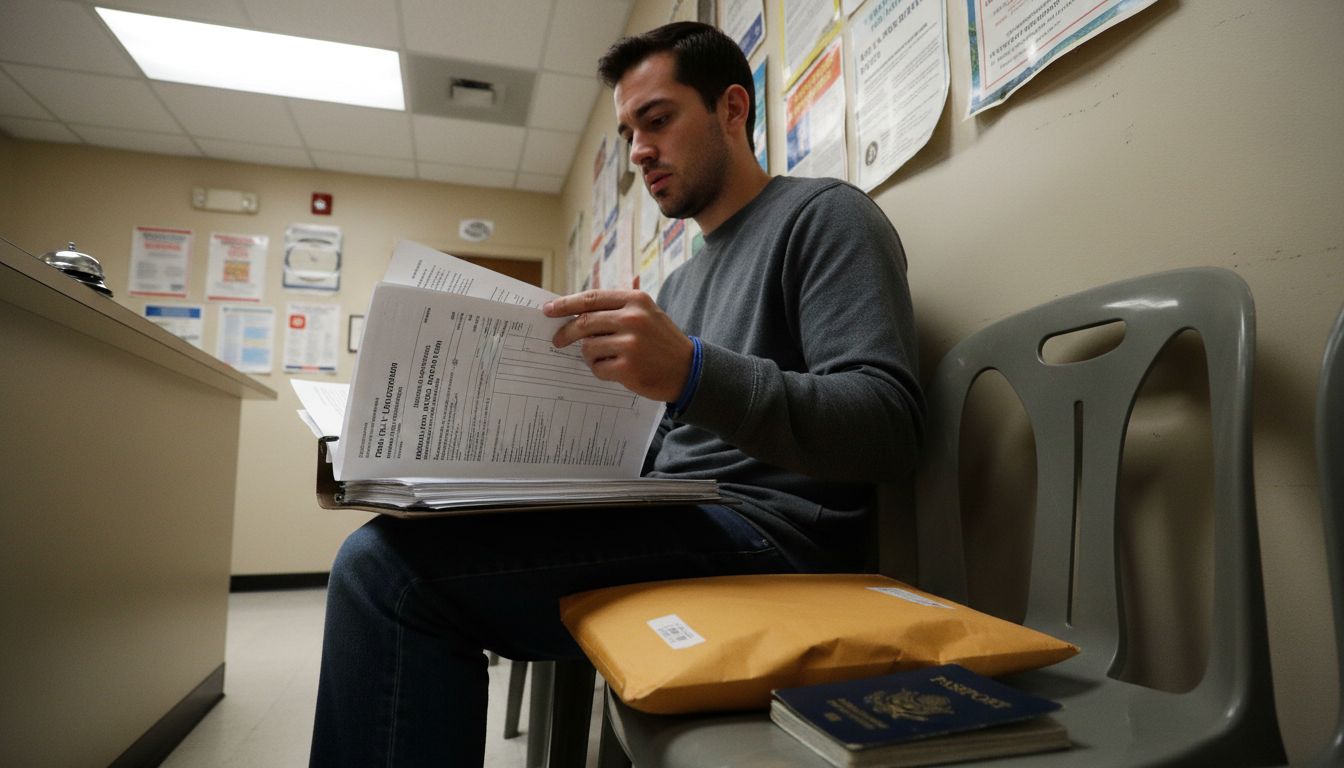
Understanding the precise legal requirements and potential pathways is crucial. Detailed immigration law resources emphasize that these documents are not merely administrative paperwork but legal contracts that define an individual’s rights, responsibilities, and potential future in the country. Work permits authorize specific employment opportunities, while green cards represent a significant milestone toward potential citizenship, offering more comprehensive legal protections and opportunities for long-term settlement.
Navigation of these documents requires meticulous attention to detail. Legal document preparation guides recommend comprehensive documentation, accurate information submission, and understanding the specific requirements associated with each document type. Applicants must carefully track expiration dates, renewal processes, and potential transitions between different immigration statuses to maintain legal compliance and protect their rights throughout their immigration journey.
Legal Requirements and Filing Standards
Comprehensive immigration document filing protocols represent a complex legal landscape that demands meticulous attention to detail and strict procedural compliance. The U.S. immigration system requires applicants to navigate an intricate web of documentation, each form and submission carrying significant legal weight and potential consequences for an individual’s immigration status. These filing standards are designed to ensure thorough verification of an applicant’s background, intentions, and eligibility for various immigration pathways.
The core legal requirements encompass several critical components. Accuracy stands as the paramount consideration, with even minor errors potentially resulting in application rejection or significant processing delays. Applicants must provide comprehensive supporting documentation, including but not limited to birth certificates, passport copies, employment records, educational transcripts, and verified identification documents. Each submission must be accompanied by precisely completed forms, translated into English if originally in another language, and authenticated through official channels.
Timelines and deadlines represent another crucial aspect of immigration filing standards. Detailed immigration law resources emphasize the critical nature of adhering to strict submission windows and renewal periods. Immigration authorities maintain rigorous tracking of application timelines, with specific windows for initial submissions, response periods, and potential appeals. Applicants must carefully monitor expiration dates, understand complex processing times, and proactively manage their documentation to maintain legal status.
The complexity of these filing standards often necessitates professional guidance. Legal document preparation guides recommend thorough preparation, including comprehensive document checklists, careful translation services, and potentially engaging immigration attorneys to navigate the most challenging aspects of the filing process. Understanding these intricate requirements is not merely a bureaucratic exercise but a critical pathway to protecting one’s legal rights and potential future opportunities within the United States.
Consequences of Incomplete or Incorrect Documents
Comprehensive analysis of immigration document errors reveals profound legal implications for applicants who submit incomplete or inaccurate documentation. The U.S. immigration system operates with zero tolerance for substantive mistakes, where even seemingly minor discrepancies can trigger significant negative consequences. These repercussions extend far beyond simple application rejection, potentially impacting an individual’s entire immigration trajectory and future legal standing.
The most immediate consequences typically involve application processing delays and potential outright denials. Immigration authorities meticulously scrutinize every submitted document, with even minor inconsistencies potentially triggering comprehensive reviews or automatic disqualification. Common errors such as incorrect personal information, missing supporting documentation, or improperly translated materials can result in immediate application rejection. In more severe cases, applicants might face extended waiting periods, additional screening, or mandatory resubmission with potential financial penalties.
Detailed immigration law resources highlight more serious long-term consequences that can dramatically impact an individual’s immigration prospects. Repeated documentation errors or intentional misrepresentation can lead to legal accusations of fraud, potentially resulting in temporary or permanent immigration bans. Some applicants might find themselves subject to exclusion proceedings, loss of current visa status, or even potential criminal charges for substantial misrepresentations.
Professional guidance becomes critical in navigating these complex legal requirements. Legal documentation tips recommend comprehensive document verification, multiple independent reviews, and potentially engaging immigration specialists to minimize the risk of critical errors. The stakes are extraordinarily high, with documentation mistakes potentially representing the difference between successful immigration and complete legal disqualification. Applicants must approach their documentation with the utmost precision, understanding that each submitted document represents a crucial piece of their legal narrative.
Best Practices for Handling Immigration Documents
Strategic management of immigration document preparation requires a systematic and meticulous approach that minimizes potential errors and maximizes the likelihood of successful processing. Successful applicants understand that immigration documentation is not merely a bureaucratic exercise but a complex legal journey demanding precision, organization, and comprehensive attention to detail. Every document represents a critical piece of an individual’s legal narrative, requiring careful handling and strategic preparation.
The foundational best practices begin with comprehensive documentation preparation. This involves gathering all necessary supporting materials well in advance of submission deadlines, including birth certificates, educational transcripts, employment records, passport copies, and any additional evidence specific to the immigration category. Applicants must ensure all documents are current, legally translated if necessary, and authenticated through official channels. Creating multiple backup copies and maintaining a comprehensive digital and physical record-keeping system becomes essential for tracking and potential future reference.
Detailed immigration document management strategies emphasize the importance of professional review and consultation. Immigration laws and requirements constantly evolve, making expert guidance crucial in navigating complex legal landscapes. Professional immigration attorneys or specialized document preparation services can provide invaluable insights, helping applicants identify potential weaknesses in their documentation, ensure compliance with current regulations, and anticipate potential challenges before submission.
Additional critical best practices include consistent document organization, thorough proofreading, and strategic timeline management. Legal paperwork preparation guides recommend creating a comprehensive checklist, maintaining a chronological record of all submissions, and establishing a systematic approach to tracking application progress. Applicants should develop a proactive mindset, anticipating potential requests for additional information and maintaining open communication channels with immigration authorities. The key is treating immigration documentation as a professional, methodical process that requires patience, precision, and unwavering attention to detail.
Simplify Your Immigration Legal Document Process with Expert Support
Navigating the complexities of U.S. immigration legal documents requires absolute precision, from accurate form submissions to timely filings. The article highlights common challenges such as handling detailed paperwork, avoiding costly errors, and meeting strict deadlines that can affect your legal standing. At YM Doc Services, we understand how critical these documents are for your immigration journey and offer reliable solutions that reduce stress and ensure compliance with legal standards.
Don’t let incomplete or incorrect paperwork delay your immigration goals. Our professional legal document services include process serving, document retrieval, and court filings designed to keep your applications on track. Take control of your immigration process today by visiting YM Doc Services to streamline your documentation and meet every deadline with confidence. Learn how our support can make your legal paperwork simpler and more efficient at YM Doc Services. Act now to protect your future in the United States.
Frequently Asked Questions
What are the main types of legal documents required for U.S. immigration?
The main types of legal documents required include nonimmigrant visas, immigrant visas, work permits, green cards, and naturalization certificates, each serving different purposes in the immigration process.
Why is accuracy crucial when submitting immigration documents?
Accuracy is vital as even minor errors can lead to application rejections, processing delays, or even legal consequences. Each document must be precisely completed to ensure compliance with U.S. immigration laws.
What are the consequences of submitting incomplete immigration documents?
Submitting incomplete documents can lead to significant issues, including application denials, extended waiting periods, and potential legal challenges, including accusations of fraud in case of repeated mistakes.
How can I best prepare my immigration documents for submission?
Best practices include comprehensive preparation by gathering all necessary documentation early, ensuring accurate translations and authentication, and consulting with immigration attorneys for professional guidance.
Recommended
- 7 Essential Legal Documents You May Need Explained – YM Doc Services
- Legal Paperwork Basics: Everything You Need to Know – YM Doc Services
- How to Verify Legal Documents: A Clear, Secure Process – YM Doc Services
- Complete Guide to Legal Document Certification – YM Doc Services
We provide GPS-stamped, court-compliant service of process throughout Orange County, Seminole County, and West Volusia County. Licensed Florida process server — FAPPS Member · NAPPS Member · Florida Statutes Chapter 48 Compliant.